ESL Glossary - 60+ Terms Defined

Definitions for electronic shelf label technology, plus the brand and product names every US retailer should know when comparing vendors.

ESL Glossary - 60+ Terms Defined

Definitions for electronic shelf label technology, plus the brand and product names every US retailer should know when comparing vendors. Updated for 2026.

Display technology

E-paper
Electrophoretic display technology that holds an image without drawing power. Pixels are charged microcapsules that flip color on refresh and stay put until rewritten, which is why ESL coin-cell batteries last 5-10 years.
BWR
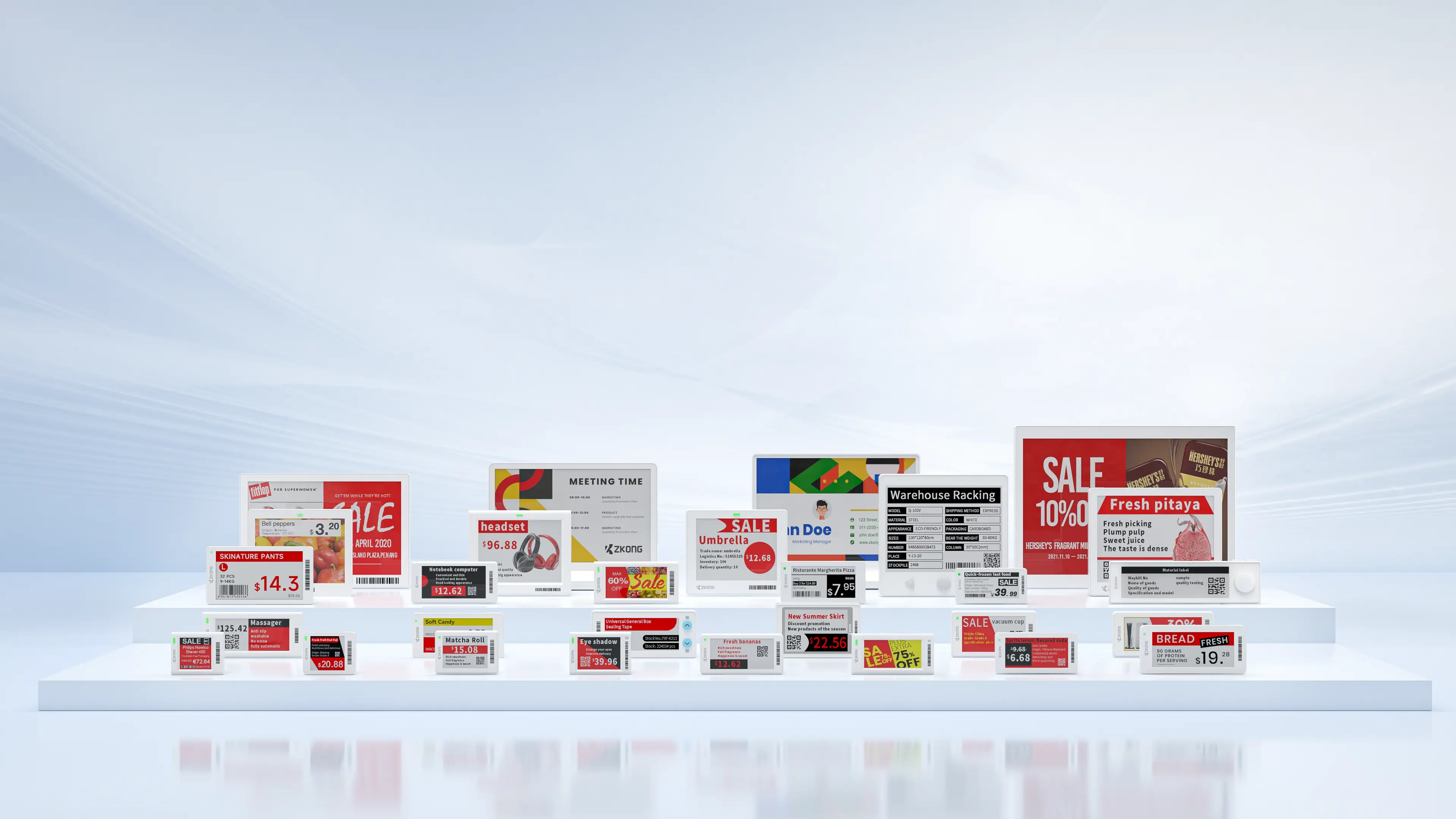
Black, White, Red 3-color e-paper. The legacy color depth that dominated ESL deployments from 2018 through about 2023, still common on entry-tier labels.
BWY
Black, White, Yellow 3-color e-paper. Less common than BWR but used where yellow flash callouts (loyalty pricing, clearance) are preferred over red.
BWRY
Black, White, Red, Yellow 4-color e-paper. The most common color depth in retail ESLs as of 2026, balancing readable promo callouts with reasonable refresh time.
Spectra 6
E Ink's 6-color e-paper platform (black, white, red, yellow, blue, green) launched 2024. Used in premium full-color ESLs where shelf-edge marketing requires brand-accurate color.
ACEP
Advanced Color ePaper, E Ink's older full-color (black, white, red, yellow, green, blue, orange) technology. Largely superseded by Spectra 6 for new product designs.
Full-color ESL
Any ESL using Spectra 6, ACEP, or competing 6+ color e-paper. Trades faster refresh and lower cost for brand-accurate imagery and richer promotional graphics.
LCD
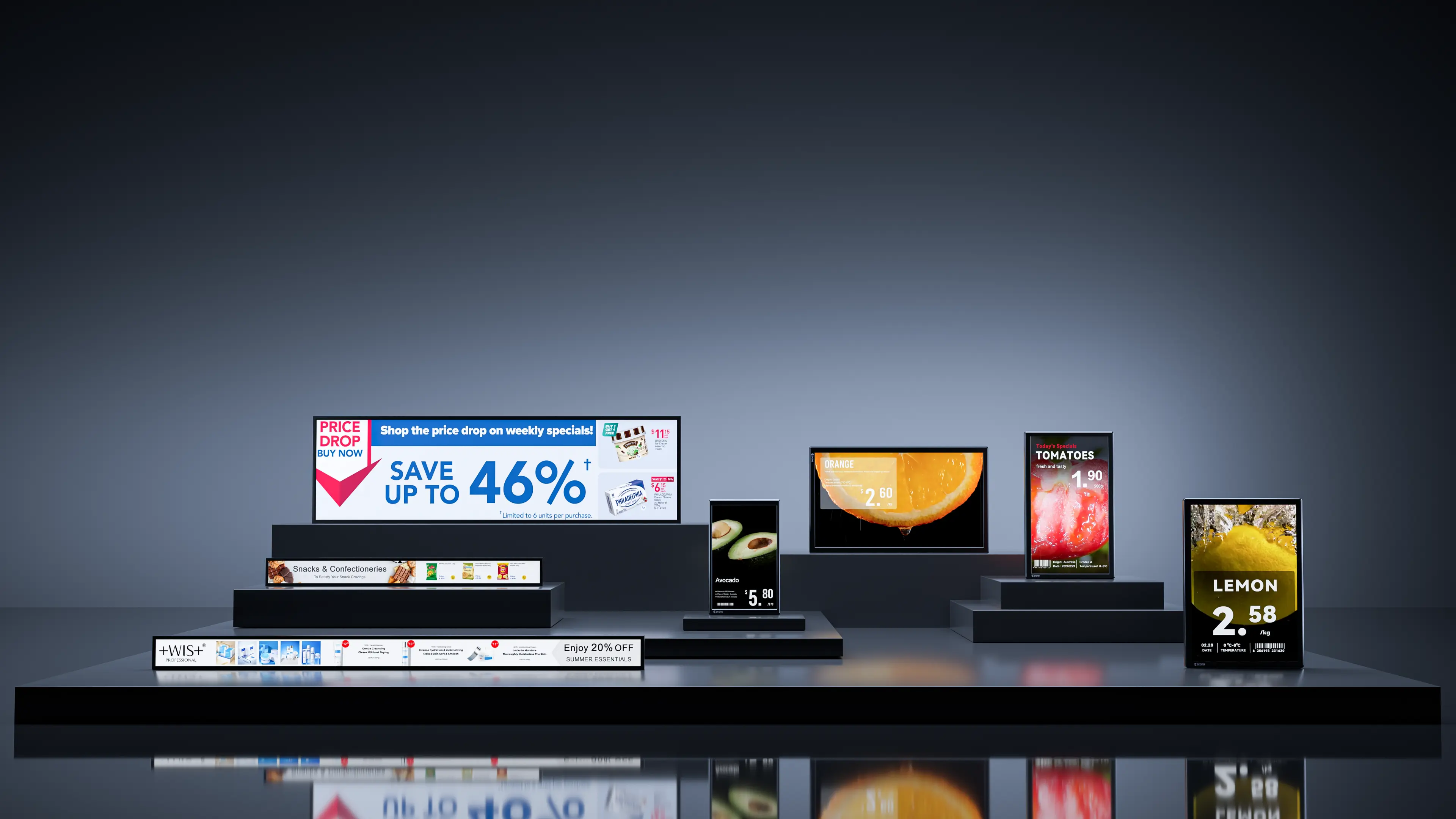
Liquid-crystal display. In ESL context, used mainly in always-on stretched bars, electronic rail labels, and digital signage; LCDs need continuous power, so they're typically wired or PoE.
Stretched LCD
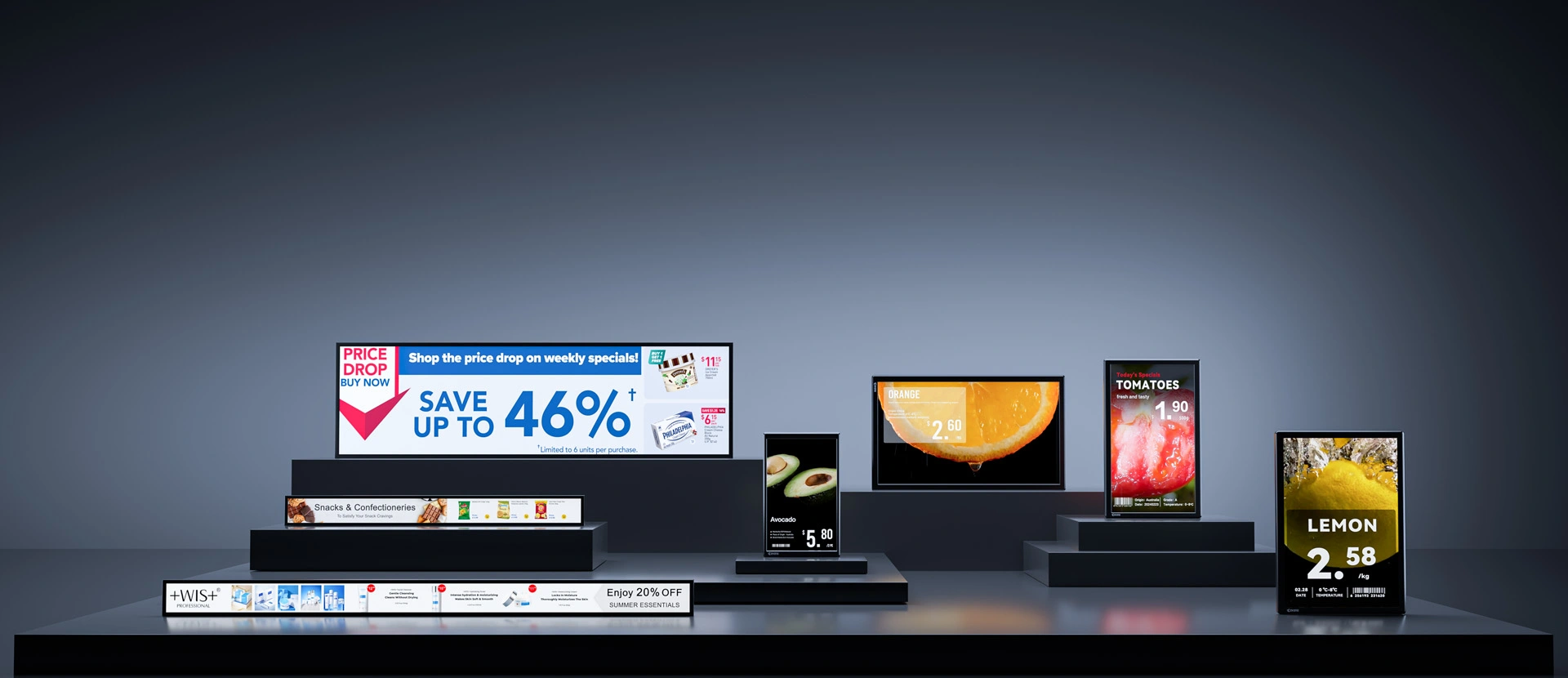
An ultra-wide LCD panel mounted along a shelf rail or endcap, used for video and motion content above static price labels. Requires AC or PoE wiring, not battery powered.
Pixel pitch
The center-to-center distance between adjacent pixels, in millimeters. Lower pitch means higher resolution; ESLs typically run 0.10-0.18 mm pitch, far sharper than digital signage.
Refresh rate
How long an ESL takes to redraw the screen on a price update. BWR refreshes in roughly 4-6 seconds; BWRY in 8-15 seconds; Spectra 6 in 25-40 seconds. Refresh time does not affect battery drain meaningfully.
Partial refresh
Updating only the changed region of the e-paper image rather than the full screen. Faster but can leave faint ghosting; most ESL platforms run a full refresh every Nth update to clear it.
Ghosting
Faint residual image from the previous screen on an e-paper display. Cleared by a full refresh cycle; common after many partial refreshes in a row.
Resolution
Total pixel count of the ESL screen, e.g. 296x152 on a typical 2.13-inch label. Higher resolution permits smaller fonts, QR codes, and product imagery.
Greyscale
Multiple shades of grey rendered on a black-and-white e-paper screen. Standard ESLs render 4 to 16 grey levels for typography anti-aliasing and product images.
Segmented display
A pre-shaped LCD or e-paper display with fixed segments (numerals, icons) rather than addressable pixels. Cheap, fast, but inflexible; mostly retired from new ESL designs.

Form factor & retail

Shelf-edge label
An ESL clipped or rail-mounted to the front lip of a retail shelf, replacing the printed paper price tag. The dominant ESL form factor in grocery and pharmacy.
Shelf rail
The horizontal aluminum or plastic strip running along the front edge of a shelf that ESLs slot into. Standard widths in US retail are 26 mm and 39 mm.
Endcap
The display at the end of a retail aisle, often used for promotional pricing. Larger ESLs (4.2 inch and up) are commonly deployed on endcaps for promotion-led messaging.
Planogram
A visual diagram specifying exactly which product goes on which shelf position. ESL platforms tie label MAC addresses to planogram coordinates so labels can be re-mapped without rewiring.
Bezel
The frame around the ESL screen. Narrow-bezel labels maximize active display area for the same physical footprint, important on small (1.6-inch and 2.13-inch) labels.
IP rating
Ingress Protection rating per IEC 60529, e.g. IP65 (dust-tight, water jets) or IP67 (dust-tight, immersion). Cold-chain and produce ESLs typically need IP67 or higher.
Cold chain
Refrigerated or frozen storage and display environments, typically -25 C to +5 C. ESLs used in freezers must be rated for cold operation and resist condensation cycling.
Freezer-rated ESL
An ESL certified to operate at temperatures down to -25 C or -30 C. Uses lithium chemistry batteries and sealed housings to prevent condensation damage.
Coin-cell battery
The CR2450 or CR2477 lithium primary cell that powers most ESLs. Non-rechargeable, sized for 5-10 years of typical retail update cadence.
Battery life
Expected ESL service life on a single coin cell, given a stated number of refreshes per day. Industry standard claim is 5-10 years at 6-10 refreshes per day; real-world results depend on RF environment and refresh frequency.
NFC tap
Near-field communication chip embedded in many ESLs. Lets associates tap a phone to the label to look up SKU, re-pair, or run diagnostics without scanning the barcode.
LED indicator
A small LED on the ESL used for pick-by-light, location flashing, or status. Drains battery faster than refresh, so used sparingly.
Mounting clip
The plastic or metal back-clip that snaps the ESL onto a rail. Vendor-specific; one of the largest sources of switching cost when changing ESL platforms.

Wireless & connectivity

2.4 GHz proprietary RF
The wireless band most ESL vendors use for label-to-gateway communication. Each vendor runs a proprietary protocol on top of 2.4 GHz, which is why labels do not interoperate across brands.
Sub-GHz
Wireless bands below 1 GHz (typically 868/915 MHz). Better wall penetration and longer range than 2.4 GHz but lower data rate; used by some vendors for warehouse and big-box deployments.
BLE
Bluetooth Low Energy, used in some ESLs for phone-based commissioning, geolocation, and shopper-app integrations. Almost never the primary update path - 2.4 GHz proprietary RF is faster and more power-efficient at retail scale.
NFC tag
A passive near-field chip (typically NTAG213 or NTAG215) inside the ESL housing. Read range is a few centimeters; used for tap-to-pair, tap-to-lookup, and floor-staff diagnostics.
RFID
Radio-frequency identification using passive UHF tags, separate technology from ESLs. Some platforms integrate RFID readers in gateways for inventory and shrink monitoring.
IoT gateway
The ceiling- or wall-mounted access point that talks to ESLs over 2.4 GHz and bridges to the cloud over Ethernet, Wi-Fi, or LTE. Typical coverage is 1,000-2,000 sq ft per gateway.
Access point (AP)
Synonym for IoT gateway in most ESL vendor documentation.
Mesh network
A wireless topology where labels relay messages for each other, extending range without more gateways. Some ESL platforms use mesh; most use a star topology with multiple gateways instead.
Star topology
The standard ESL network shape: every label talks directly to a gateway, gateways talk to the cloud. Simpler to troubleshoot than mesh.
Channel hopping
Rapidly switching between sub-channels in the 2.4 GHz band to avoid Wi-Fi interference. Most modern ESL protocols channel-hop; older ones did not, and clashed with store Wi-Fi.
Coexistence
The ability of an ESL network to share the 2.4 GHz band with store Wi-Fi, Bluetooth devices, and inventory scanners without packet loss. Critical for big-box and grocery deployments.

Operations & retail tech

Master data
The authoritative product record - SKU, description, price, image, attributes - that the ESL platform pulls from. Quality of master data dictates quality of the shelf.
SKU
Stock Keeping Unit, the internal product identifier. One ESL is typically bound to one SKU; large items may have multiple ESLs (front and back of pallet).
EAN/UPC barcode
European Article Number / Universal Product Code, the 12 or 13-digit barcode rendered on most ESLs for register fallback and shopper price-check.
QR code
2D barcode rendered on the ESL for shopper-facing actions: scan to read reviews, scan to add to a list, scan to launch retail-media content.
Dynamic pricing
Changing the shelf price more often than once a day, sometimes intraday. Legal in the US in most states; controversial when prices rise during high-demand windows. ESLs make it operationally feasible but do not require it.
Markdown automation
Using ESLs to drop prices on slow-moving or near-expiry inventory automatically, on a rule (e.g. -25% on day 6, -50% on day 7). The single highest-ROI use case in grocery and bakery.
POS integration
The link between the ESL platform and the point-of-sale system so the price the shopper sees on the label matches what the register charges. The hardest part of any ESL deployment.
Cloud platform
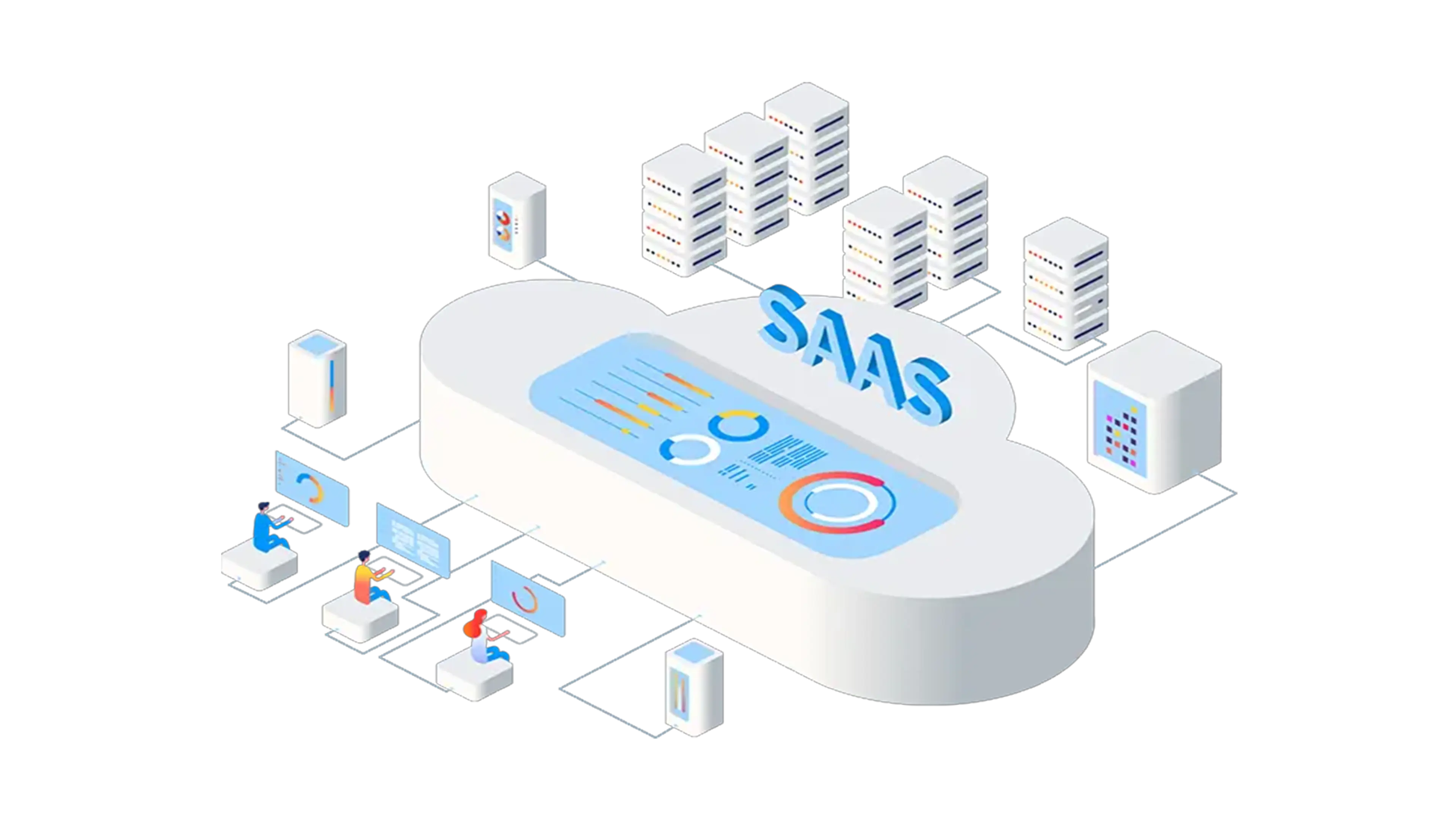
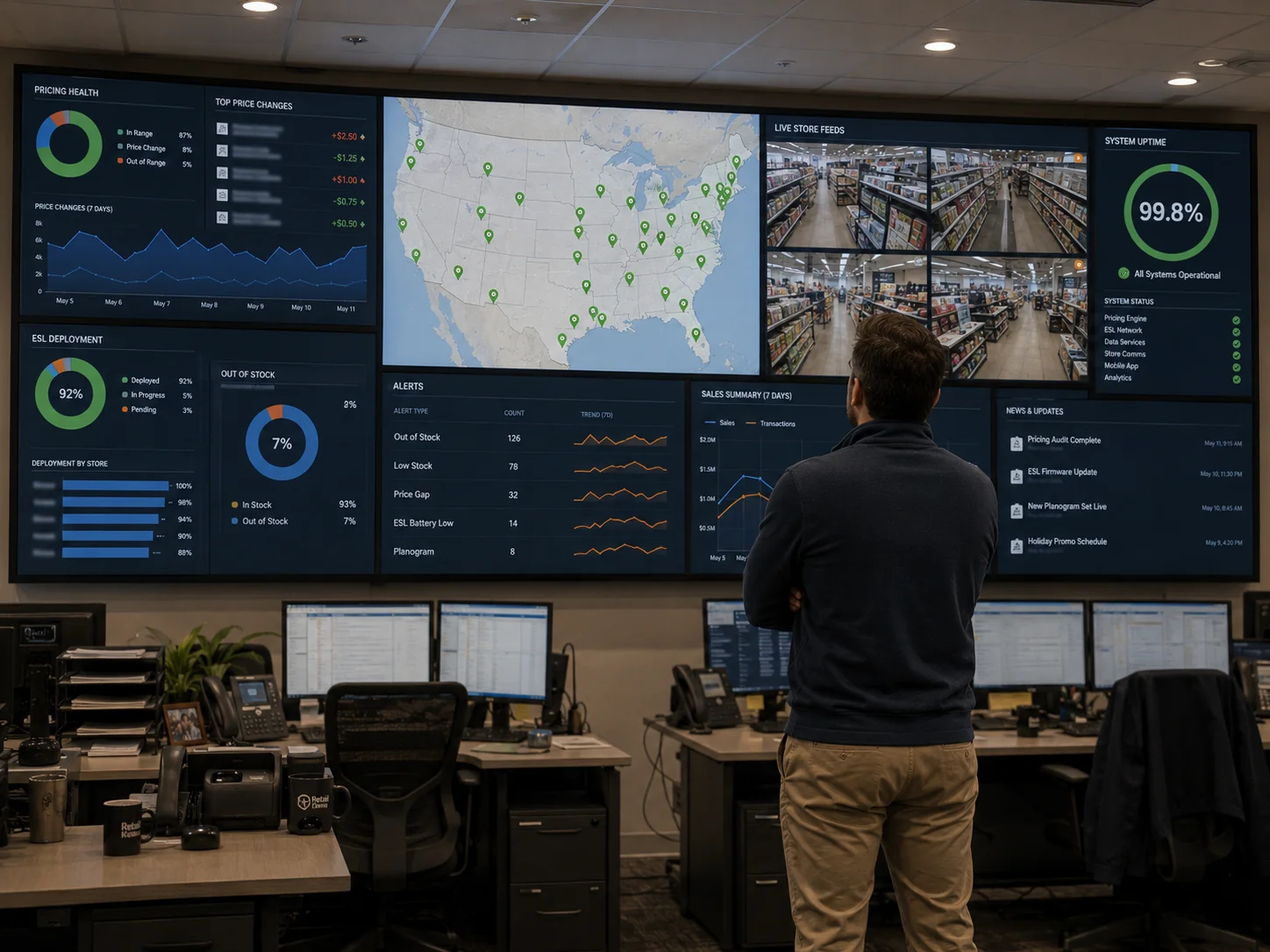
The vendor's SaaS layer that ingests master data, pushes updates to gateways, and exposes APIs and dashboards. Sometimes called the ESL management system or backend.
Edge sensor
An IoT sensor (temperature, light, motion, weight) co-located with the ESL gateway. Lets retailers monitor cold-chain compliance or detect out-of-stock from the same network.
Pick-by-Light
Using the ESL's LED to flash the location of an order item for store associates fulfilling click-and-collect or curbside orders. Cuts pick time substantially in large stores.
Out-of-stock (OOS)
A facing on the shelf with no product behind it. Some ESL platforms detect OOS through shelf cameras or weight sensors and trigger replenishment alerts.
Shrink
Inventory loss from theft, damage, or admin error. ESL platforms reduce admin shrink (price errors, mislabels) but do not directly prevent theft.
Price-error chargeback
Penalty assessed when the shelf price differs from the register price. Some US states require honoring the lower of the two, plus damages; ESLs eliminate this class of error.
Click & collect
The buy-online-pickup-in-store fulfillment model. ESL pick-by-light and aisle navigation features cut associate pick time, the main labor cost of click & collect.
Retail media
The advertising business retailers run on their own digital surfaces. ESLs and shelf-edge stretched LCDs are emerging retail-media inventory; brands pay to place sponsored callouts on the label.
Loss prevention
Programs and tooling that reduce shrink. ESL networks contribute by hosting cameras and sensors on the same gateway infrastructure.
Two-way label
An ESL that can transmit back to the gateway (acknowledgments, button presses, NFC events) rather than only receive. Standard on all current-generation hardware.

ZKong product names

ZKong Quantum Series
ZKong's flagship full-color ESL line built on E Ink Spectra 6, sized 1.6 inch through 13.3 inch. Targets grocery, pharmacy, and fashion retailers wanting brand-accurate imagery on the shelf edge.
ZKong Arrow Series
ZKong's BWRY 4-color core line, sized 1.6 inch through 13.3 inch. The volume product for everyday US grocery, hardware, and convenience deployments.
ZKong Shield Series
ZKong's IP67 rugged ESL family, rated for cold-chain (down to -25 C), produce mist, and high-humidity zones. Used in freezer aisles, deli, and butchery.
ZKong Valley Series
ZKong's larger-format BWRY ESL line designed for wide bay-end and category headers, typically 7.5 inch through 13.3 inch.
ZKong Blade Series
ZKong's stretched-bar ESL family, long and narrow form factor for shelf-edge promotional strips and category dividers.
ZKong Essence Series
ZKong's compact entry-tier BWRY line aimed at price-sensitive deployments and high-density small-item retail (cosmetics, electronics accessories, hardware).

Competitor product names

SoluM Newton
SoluM's mainstream BWRY ESL line, the volume product behind many large North American grocery deployments. Sizes from 1.6 inch through 12.2 inch.
SoluM Newton Pro
The upper tier of the Newton family with longer battery life and faster refresh than baseline Newton, still BWRY 4-color.
SoluM Newton Pro Full Color
SoluM's full-color flagship using E Ink Spectra 6, the direct competitor to ZKong Quantum.
SoluM SSP
SoluM's earlier-generation BWR/BWRY platform, still in service across many legacy stores; new deployments now skew to Newton.
Hanshow Stellar Pro
Hanshow's premium BWRY ESL line, positioned against SoluM Newton Pro and ZKong Arrow.
Hanshow Lumina Aqua
The IP-rated, water-resistant member of Hanshow's Lumina full-color family. Targets fresh, deli, and produce zones.
Hanshow Lumina Edge
Hanshow's slim-bezel full-color shelf-edge ESL, sized for small-item dense retail.
Hanshow Lumina Max
The large-format member of Hanshow's full-color line, intended for endcaps and category headers.
Hanshow Nebular
Hanshow's mid-tier BWRY family, sometimes offered as Nebular Pro with extended battery and refresh specs.
Hanshow Nebular Pro
The upgraded variant of Hanshow Nebular with longer battery life and improved RF.
Hanshow Polaris Pro
Hanshow's full-color line preceding Lumina; still deployed widely. Spectra 6 / ACEP-class color depth.
Hanshow Polaris Max
The larger-format variant of Polaris Pro, used on endcaps and bay headers.
Hanshow All Star Platform
Hanshow's unified cloud and gateway platform that runs Stellar, Lumina, Nebular, and Polaris hardware. Switching from All Star to a competing platform is the main vendor lock-in concern with Hanshow deployments.
Vusion EdgeSense
VusionGroup's (formerly SES-imagotag) flagship shelf-edge platform, combining ESLs with cameras and shelf sensors for a unified retail-IoT layer.
Vusion VusionLive
VusionGroup's cloud platform for ESL management, retail-media campaigns, and analytics across the EdgeSense and VusionRail product families.
Vusion VusionRail
The shelf-rail hardware product line in the Vusion ecosystem, including stretched LCDs and integrated ESL rails.
Pricer Plaza
Pricer's cloud-native ESL management platform, used to drive Pricer SmartTAG hardware from a centralized SaaS dashboard.
Pricer SmartTAG
Pricer's family of BWRY and full-color ESLs, deployed extensively in European grocery and increasingly in North America. Known for the company's optical infrared communication legacy that has since shifted to RF.

Brand names, product names, and trademarks are the property of their respective owners. Retail Digitals is the official US distributor of ZKong; references to other brands are for comparison and educational purposes only.

Get our weekly ESL insights

Practical guides, ROI math, and US-retail commentary. One email per week. Unsubscribe anytime.

Or contact us directly →