
The IoT pitch, decoded
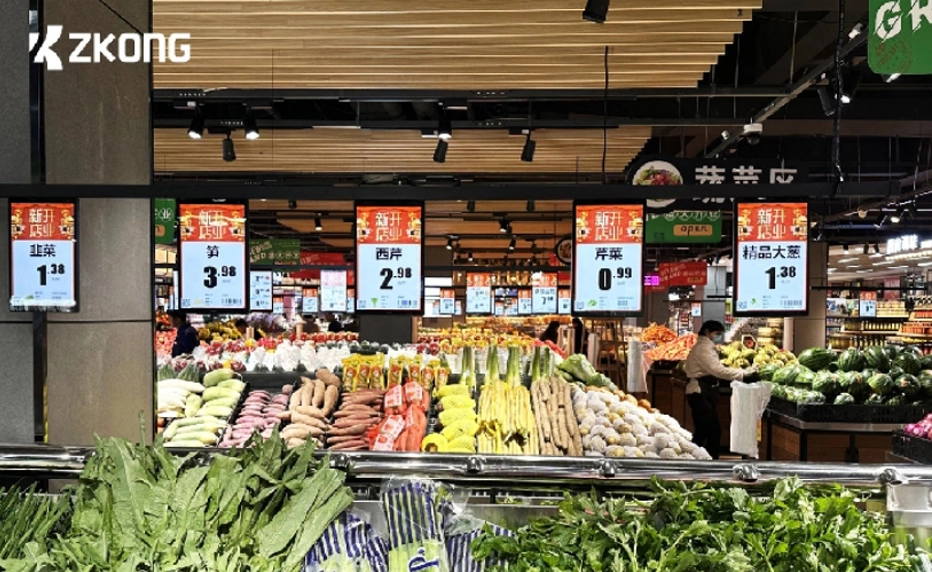
Every ESL vendor pitch in 2026 includes some version of: “Our ESLs are part of an IoT-connected smart store ecosystem with real-time data flow across all your retail systems.” Translated, this can mean anything from “the labels talk to the cloud” (which is just how ESLs work) to genuine sensor integration that changes operations.
Below are the IoT integrations we actually see deliver value, and the ones that are mostly slide-deck filler.
Genuinely useful: temperature sensors in cold chain
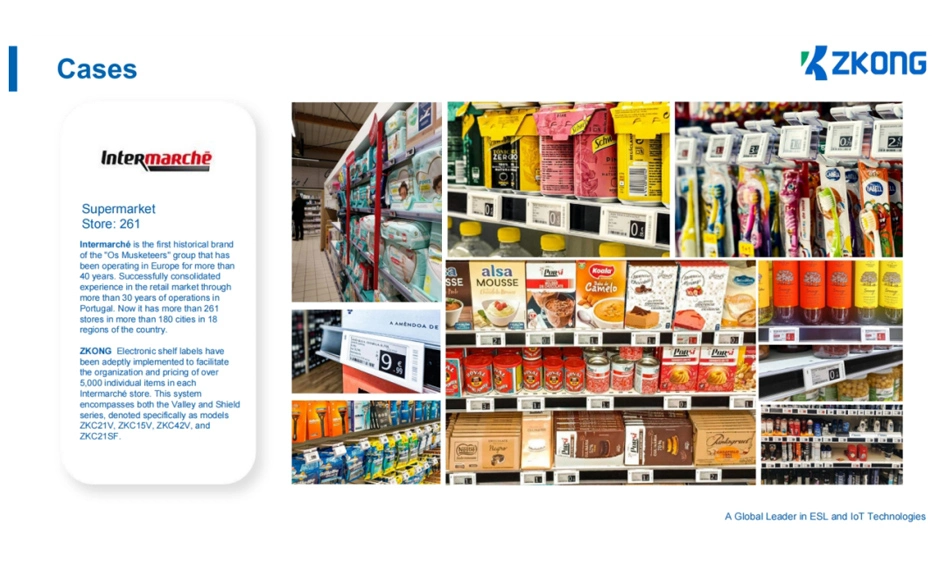
Cold chain compliance — refrigerated and frozen sections — requires temperature logging. Most stores still use a tech walking around with a clipboard or a $200 wireless thermometer per cooler. ESLs with integrated temperature sensors (or paired with low-cost BLE temperature beacons) push reading data through the same cloud platform, alongside the price labels.
What this unlocks operationally: automatic alerts when a cooler crosses temperature thresholds, audit trail for FDA/USDA inspections, and labor reduction (no manual log walks). The hardware adder is small: $5-10 per sensor when paired with the existing ESL gateway.
Stores doing volume in dairy, meat, frozen, or pharmacy cold-chain see direct ROI here. A single avoided product-loss event from a failing cooler pays for the whole sensor deployment.
Genuinely useful: shelf-vacancy detection
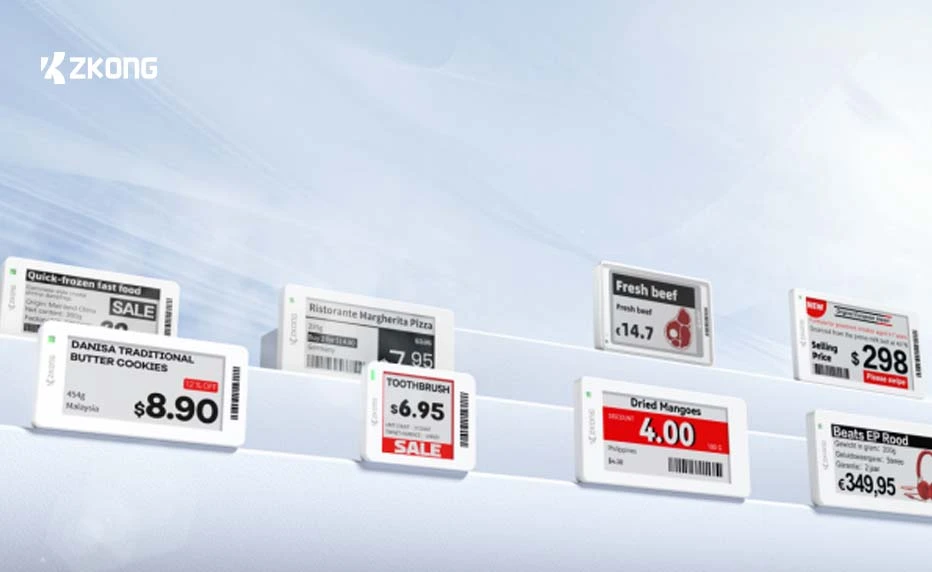
Some ESL hardware lines now ship with optional infrared or capacitive sensors built into the label. They detect whether the shelf in front of the label is empty (no product) or full. Out-of-stock signals push to the cloud platform, alerting back-of-house to restock specific aisles.
Why this matters: industry studies put on-shelf availability at 92-95% on a normal day in US grocery. A 1-2% reduction in OOS time on top-velocity SKUs is meaningful revenue — for a high-volume store, often $50K-$150K per year in recovered sales. The hardware adder is $3-7 per sensorized label, deployed selectively on high-velocity items only.
Worth piloting on the top 200-500 SKUs by velocity, not chain-wide.
Genuinely useful: customer interaction tracking
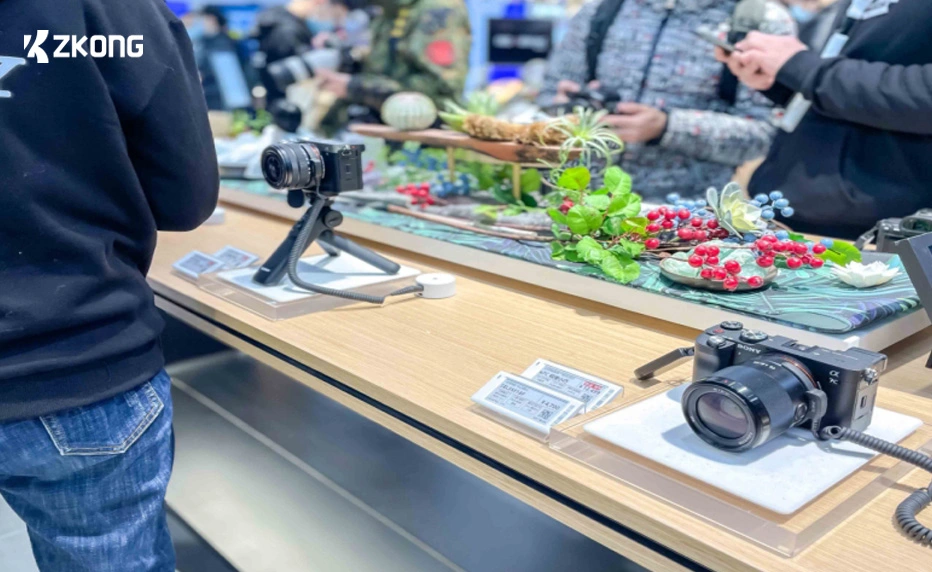
NFC-enabled ESLs let a customer tap the shelf-edge label with their phone to pull up product details, reviews, ingredient info, or coupons. The platform logs the tap event. Aggregated, you get a heatmap of which products customers are pausing to learn about even when they don’t buy.
This is real merchandising data. Pre-ESL, the only “interest” signal you had was sales velocity. NFC interaction data shows consideration without purchase — useful for endcap planning, promotion targeting, and identifying which products need clearer in-aisle communication.
The NFC adder is $0.50-$1.00 per label. Deploy on the 5-10% of SKUs where consideration data would change merchandising decisions.
Mostly marketing: “AI-driven dynamic pricing”
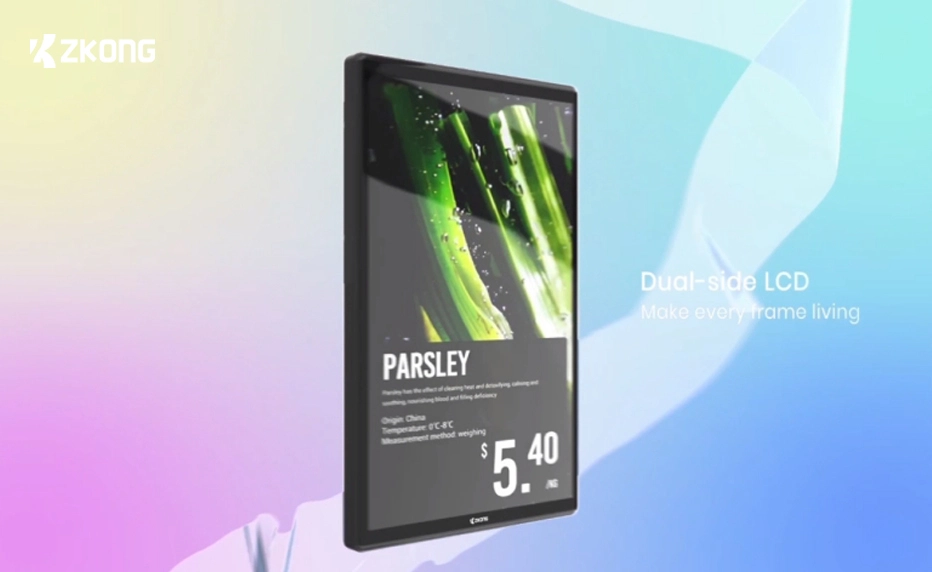
The pitch: ESLs combined with “AI” automatically adjust prices in real time based on demand, weather, time of day, competitor pricing, etc. The reality at most US chains: dynamic pricing is regulated heavily, customer-trust-sensitive, and operationally fragile. Most retailers who try it pull it back within a year.
Where dynamic pricing genuinely works: c-store impulse items, single-store independent operations, dispensaries with state-mandated price posting. Everywhere else, the operational and reputational risk usually exceeds the margin gain.
The ESL platform supports the technical capability. Whether you should use it is a strategy question, not a technology one.
Mostly marketing: “smart store integration with planogram software”
The pitch: ESLs auto-update when planograms change in your space-planning software. The reality: planogram software (JDA Space Planning, Nielsen Spaceman, Blue Yonder Category Management) updates physically by store reset crews on a schedule — usually every 2-13 weeks per category. ESL platforms updating from planogram data save you a few minutes per reset, not hours.
If you’re already running planogram software, sure, the integration is nice to have. It’s not the deciding factor in any ESL purchase decision.
Mostly marketing: “machine learning demand forecasting”
ESL platforms collect data — sales velocity, NFC interactions, OOS events. Some vendors offer forecasting modules that surface this data with charts. Calling this “machine learning” is generous; it’s mostly weighted moving averages with seasonality adjustment.
Real demand forecasting lives in your ERP or a dedicated platform (Relex, RELEX, Blue Yonder, NielsenIQ). The ESL platform feeds data INTO those systems. It doesn’t replace them. Don’t pay extra for ML branding on the ESL line item.
The integration question to ask vendors
When a vendor pitches their IoT story, cut through the noise with one question: “What specific operational metric does this integration improve, and what’s the dollar value at our scale?”
Temperature monitoring: “Reduces cold-chain product loss by ~40%, worth roughly $X per cooler per year at your turn rates.”
Shelf-vacancy: “Reduces OOS time on monitored SKUs by ~50%, worth roughly $Y per top-velocity SKU per year.”
NFC interaction: “Adds consideration-data signal for merchandising decisions; value depends on your category mix.”
If the vendor can’t answer in concrete operational terms, the integration is probably slide-deck filler.
Want to scope which IoT integrations actually pay off for your stores?
30-minute call walking through your specific category mix, store size, and current pain points. We’ll tell you which integrations are worth the budget line.
Related articles


Kamran Abdullayev
Sales Director, North America at Retail Digitals (ZKong USA), the United States distributor of ZKong electronic shelf labels. Based in New York City. Writes on US ESL deployment, regulatory compliance (AB 3214, FDA 21 CFR 101.11, METRC), and honest competitor comparison.