
The major chain playbooks
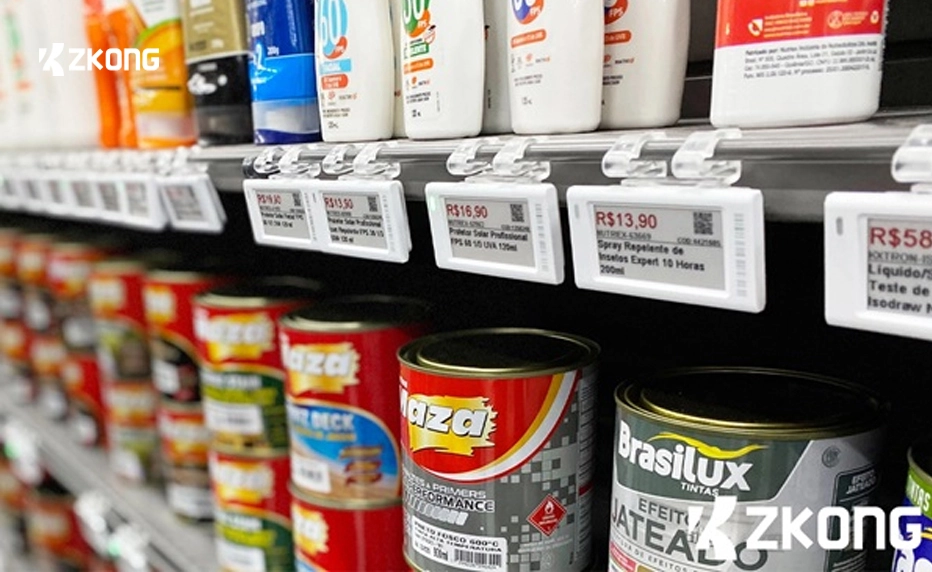
Three US grocery chains have publicly committed to ESL at scale. Each took a different approach — and each offers transferable lessons.
Walmart (2,300+ stores by 2026)
Partnership with VusionGroup (formerly SES-Imagotag). Hardware: predominantly V300 BWRY series. Cloud platform: Vusion’s enterprise SaaS. Distinguishing feature: deep integration with Walmart’s existing pricing infrastructure.
Lesson: at hyperscale, vendor + custom-integration matters more than per-label price.
Schnucks (114 stores, started 2023)
Multi-vendor pilot in 2022, settled on a single primary supplier in 2023. Aggressive 2-year rollout window. Heavy use of fresh-food markdown automation (their stated #1 use case).
Lesson: pilot multiple vendors quickly, pick one, then move fast.
Kroger (multi-banner, ongoing)
Banner-by-banner rollout (Mariano’s first, then Pick ‘n Save, etc.). Tied to broader “store of the future” initiative including AI cameras, smart carts, and digital signage.
Lesson: ESL is one piece of a digital-shelf infrastructure. Plan for the rest.
What independent grocers can copy directly
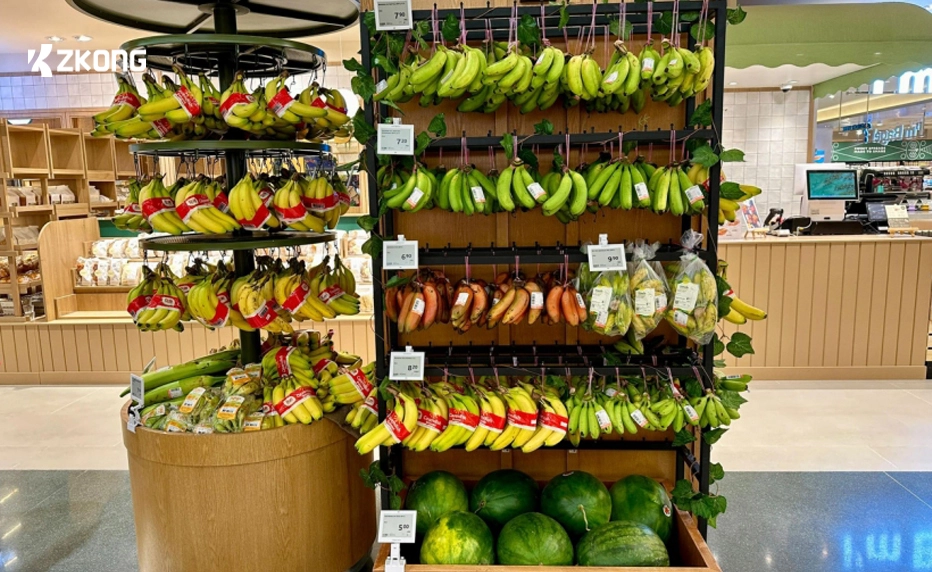
You don’t need a Walmart-scale budget to apply these lessons:
- Pilot one store, one department. Schnucks didn’t roll out chain-wide on day one. Pick your busiest store, your most price-volatile department (dairy or fresh produce).
- Measure pre/post labor metrics. Track hours-per-week spent on price-tag work before deployment, weekly during, and after. Use this data to justify the next 5-store wave.
- Start with BWRY 4-color, not full color. 90% of grocery use cases are served by BWRY at half the cost of 6-color. Walmart deployed BWRY chain-wide, not 6-color.
- Pick a vendor with US support. When something breaks at 6 PM Friday, you need US-timezone help. Kroger could engineer their way out; you can’t.
What independents should do DIFFERENTLY than the chains
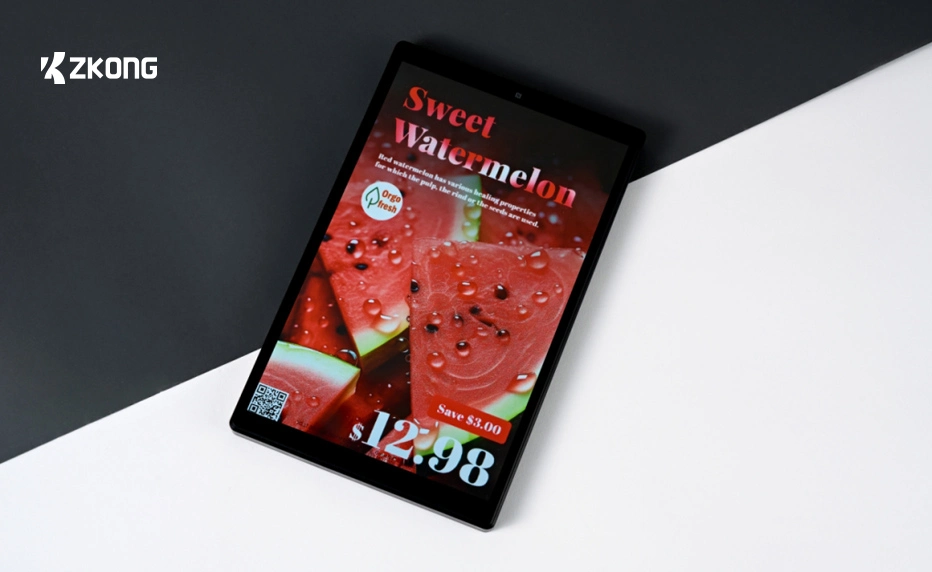
Some chain-scale practices don’t transfer:
Don’t go through enterprise procurement
Walmart’s 2-year vendor selection process makes sense for them. For a 5-store regional chain, an enterprise vendor’s sales engagement model burns 6-12 months you don’t have. Buy direct from a US distributor (like ZKong via Retail Digitals) — order today, ship next week.
Skip the custom integration
You don’t need bespoke ERP-to-ESL middleware. Modern cloud platforms have pre-built connectors for the major retail ERPs (NCR, Toshiba, ECRS, IT Retail, etc.). Use the off-the-shelf connector, save $50-150K of integration spend.
Don’t try to do it all at once
Walmart can run 2,300 store deployments in parallel. You can’t. Plan a 12-18 month rollout for 5-15 stores. Use the first store to debug operations.
A specific 6-month plan for a 10-store chain
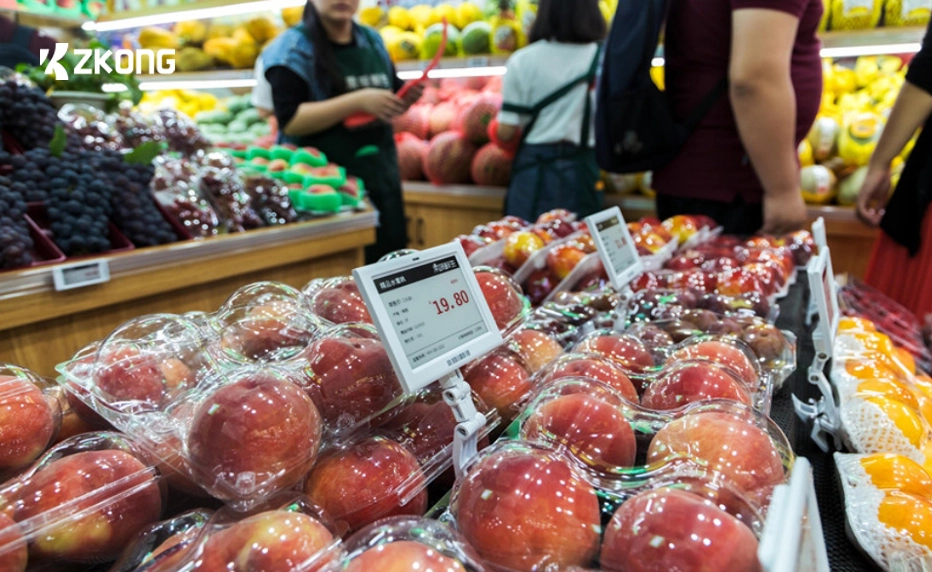
Month 1: Pick pilot store. Order 200-500 labels for one department. Brief staff. Verify ERP integration in test mode.
Month 2: Install labels in pilot department. Track labor metrics. Iterate on workflow.
Month 3: Full pilot store deployment. ~30,000 labels installed. All departments live.
Month 4-5: Refine SOPs. Train regional managers. Document deployment playbook.
Month 6: Begin store 2 deployment. Then store 3, etc., on a 4-6 week cadence.
End of year 1: 5-7 stores live. End of year 2: full chain.
Want to scope this for your specific stores? Talk to us — we’ll review your store layout and ERP setup and recommend specific SKUs.
Want a personalized recommendation?
15 minutes on a screen-share — we look at your specific stores and recommend SKUs.
Related articles

Kamran Abdullayev
Sales Director, North America at Retail Digitals (ZKong USA), the United States distributor of ZKong electronic shelf labels. Based in New York City. Writes on US ESL deployment, regulatory compliance (AB 3214, FDA 21 CFR 101.11, METRC), and honest competitor comparison.