The Latest Breaking News from ZKONG and Retail Industry

To Share Information and Explore Business Opportunities with Us

ESLs for Collectible and Trendy Toy Retail: The Pop Mart Pricing Pattern

ESLs for Collectible and Trendy Toy Retail: The Pop Mart Pricing Pattern

Case Studies

ESLs for Collectible and Trendy Toy Retail: The Pop Mart Pricing Pattern

May 5, 20264 min readKamran AbdullayevBy Kamran Abdullayev

The category, briefly

Trendy collectible retail — Pop Mart blind-box stores, designer toy boutiques, Funko-heavy specialty stores, anime merch retailers — is one of the fastest-growing physical retail formats in the US. NYC alone added 12+ new dedicated locations between 2023 and 2025. The pricing dynamics in this category are unlike any other physical retail format.

Three things make this category unique:

  • Drop-driven pricing: a new release sells at MSRP for 24-72 hours, then often shifts in either direction based on demand and resale market.
  • Scarcity tier signaling: “common,” “rare,” “chase,” “secret” tier products in the same display row at very different prices.
  • Real-time competitor pricing relevance: if StockX or eBay shows a hot figure trading 3x MSRP, the in-store price needs to adjust within hours, not days.

Paper labels can’t keep up. ESL deployments are becoming standard in the category — and the deployment pattern looks nothing like grocery.

What the deployment looks like

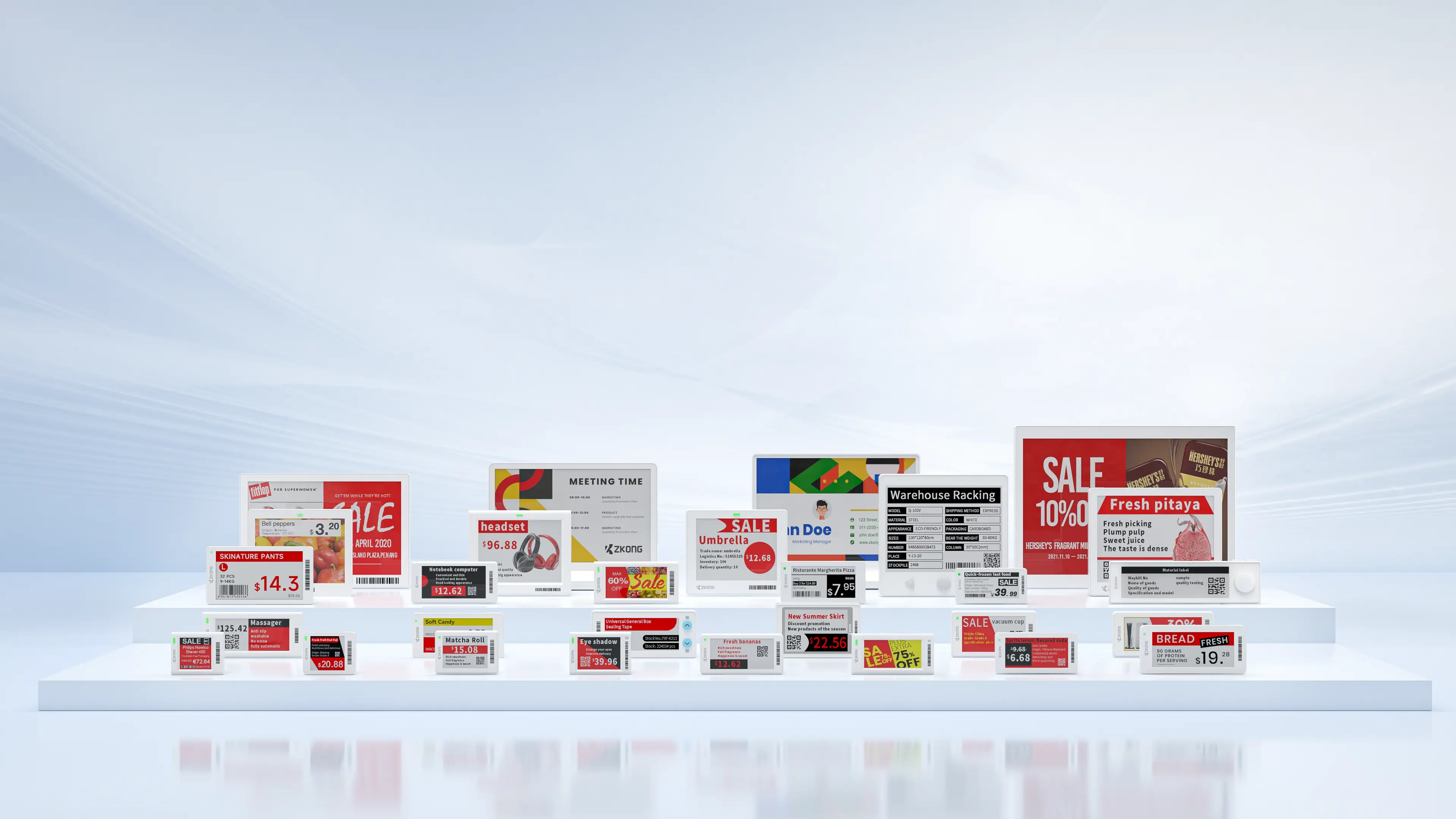
A typical Pop Mart-style flagship runs 2,000-5,000 individual SKUs across blind boxes, single-pull display, premium figures, and accessories. The breakdown of ESL hardware in a recent NYC SoHo deployment we scoped:

  • 1.5″ BWRY for individual blind-box display rows: ~70% of total label count. Tight shelf real estate, simple price + tier badge.
  • 2.9″ BWRY for single-figure premium display: ~20%. More fields — character name, series, scarcity tier, price.
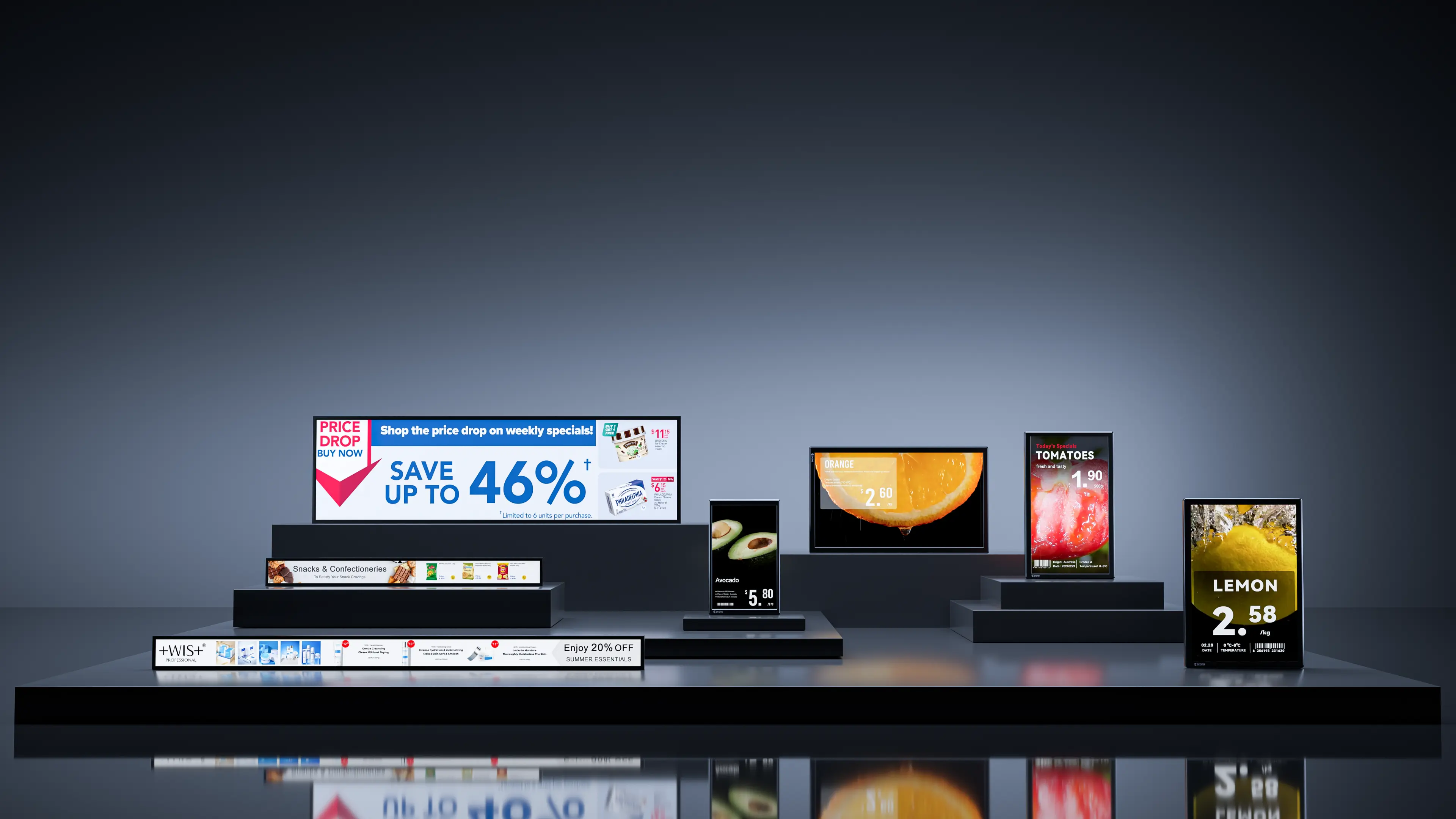
  • 4.2″ Spectra 6 for endcap and window display: ~5%. Full-color renders character art, drop dates, scarcity badges in branded color palette.
  • 7.5″ Spectra 6 for hero displays of new drops: ~5%. Functions as digital signage, refreshes per drop cycle.

This mix lands at significantly higher cost-per-square-foot than grocery — but the per-SKU revenue is also much higher, so the math works.

The drop-cycle workflow

A new figure series drops on Friday at 12 PM. The store needs every relevant ESL in the store to update simultaneously: drop date badges go live, MSRP prices appear on the previously-unbadged shelf locations, scarcity tiers populate based on the manufacturer’s announced ratios.

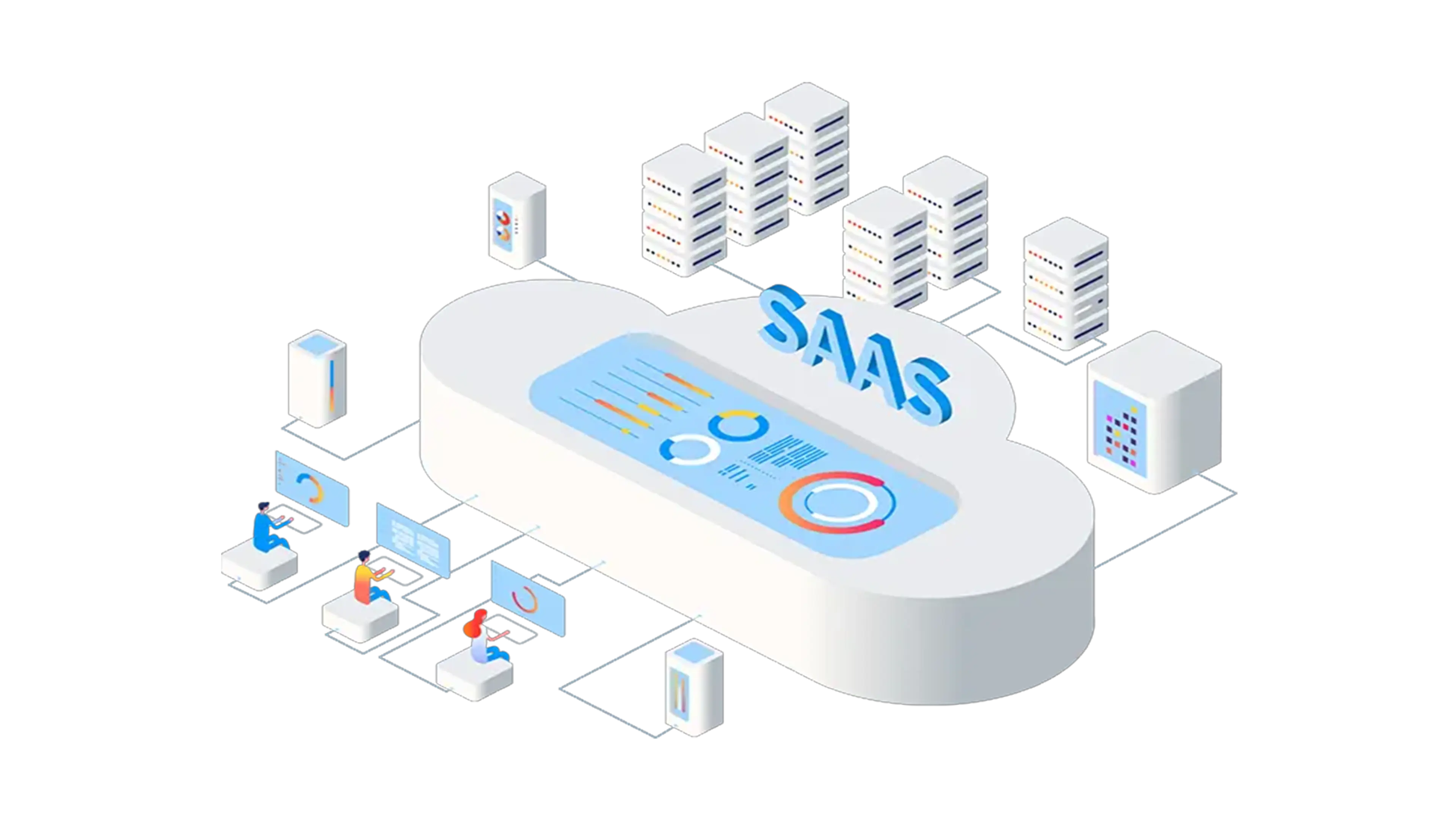
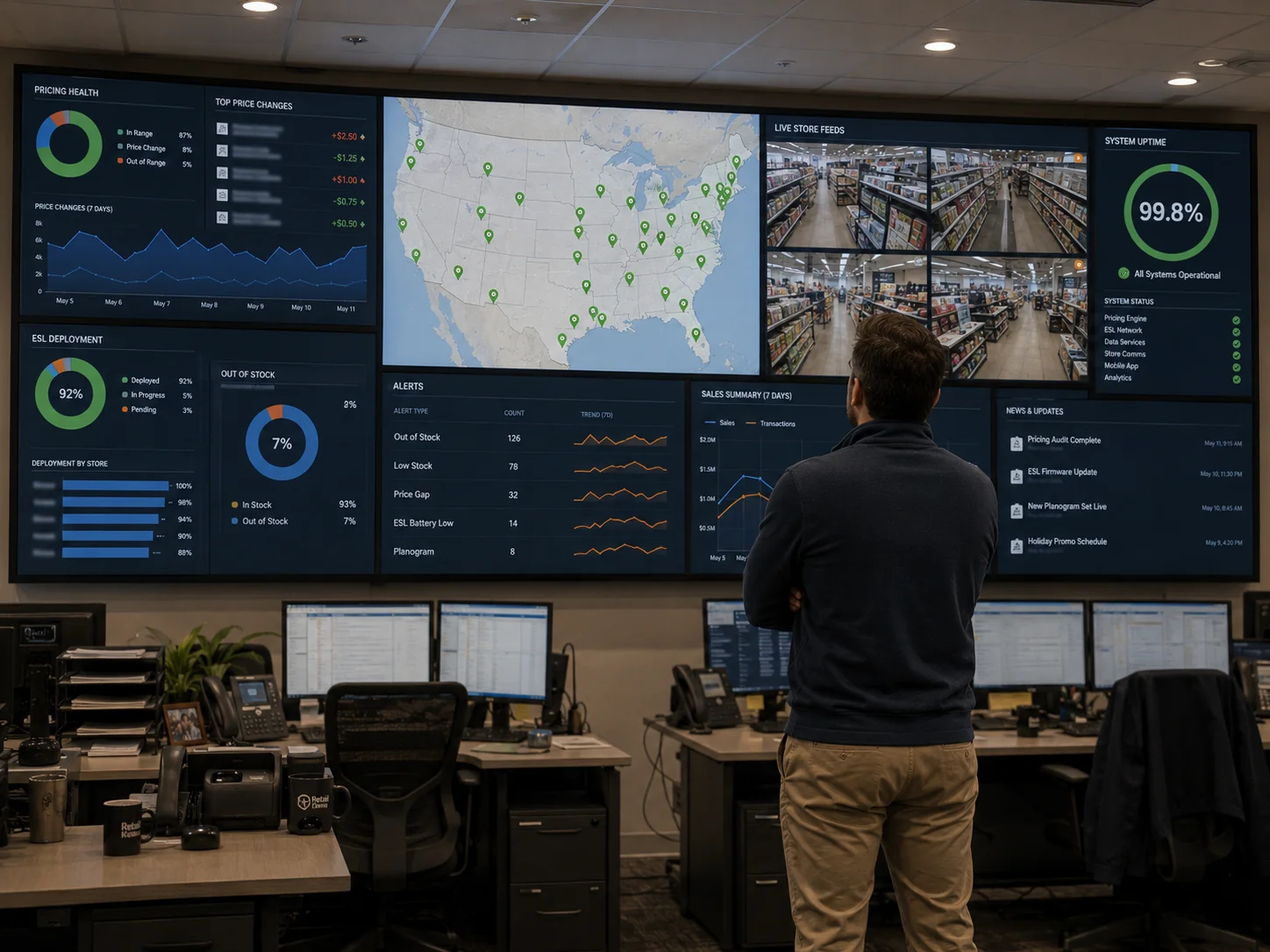
The cloud platform handles this with scheduled content swaps. Operations team builds the drop’s price/template content during the week, schedules the publish for 12:00:00 PM Friday. Every label across every store flips simultaneously. Staff doesn’t touch a single label.

This is dramatically different from grocery, where label content drifts gradually with the price file. Trendy retail is event-driven, and the ESL platform is built for that.

The resale-market price-adjustment loop

For chains operating in this category at scale, integrating real-time resale-market data into in-store pricing is a real consideration. Most operators don’t go full dynamic — they use resale data as a signal for restocking and re-tier decisions, not as a direct price input.

The pattern we see working: weekly review of resale-market velocity per SKU. Items trading 2x+ MSRP on the secondary market get pulled to a “premium” tier in the cloud platform, with the ESL automatically updating to reflect a manager-approved markup or a “limited stock” badge. Items trading below MSRP signal upcoming markdown.

This is more responsive than the weekly catalog updates that drove physical retail in the 2010s, but less aggressive than full algorithmic pricing. It’s a middle-ground that respects the customer-trust dynamics of the collectible category — enthusiast customers will absolutely call out a store that price-jacks a hot figure to 5x within hours of a drop.

The customer interaction layer

NFC-enabled labels in this category drive significant interaction. Tap a Pop Mart blind-box label with your phone, see the full series lineup, scarcity ratios, character info, and (for some chains) join a waitlist for sold-out items. We’ve seen NFC tap rates 5-10x higher in collectible retail than in grocery — engaged customers tap habitually.

The aggregate interaction data feeds back into merchandising: which characters draw the most consideration vs sales, which series should get more shelf space, which to discount.

Hardware ROI in this category

For a 2,500 sq ft NYC collectible flagship doing $4M/year:

  • Total ESL hardware: ~$45,000 (mixed sizes including some Spectra 6)
  • Cloud platform: ~$5,000/year
  • Annual labor savings (eliminated manual price updates across drops): ~$28,000
  • Annual revenue lift from faster drop responsiveness (estimated): ~$80,000-$150,000

Payback typically 4-7 months. The hardware-cost-per-square-foot is high, but so is revenue per square foot. In categories where physical retail revenue density runs $1,500-$3,000/sq ft, ESL hardware is a rounding error against the operational lift.

What goes wrong

Three patterns worth knowing:

  • Drop-time platform load: if the cloud platform isn’t tested for simultaneous label refresh across hundreds of SKUs, the drop may stagger across 5-10 minutes. Customers notice. Validate this in pilot.
  • Scarcity tier confusion: if the on-label tier badge doesn’t match the customer’s expectation from the manufacturer’s app or community knowledge, you’ll get arguments at checkout. Sync your scarcity data with the manufacturer’s published ratios.
  • Spectra 6 brand-color drift: if the brand demands exact Pantone matches for promotional creative, validate the Spectra 6 color rendering against the brand’s color guide before bulk deployment. Six-color e-paper is good but not perfect.

Operating collectible retail and feeling the limits of paper tags?

30-minute call to scope an ESL deployment matched to drop-cycle operations. We’ve worked with US collectible operators of various sizes — playbook is real.

Scope your store →

Kamran Abdullayev — Operations, Retail Digitals
About the author

Kamran Abdullayev

Sales Director, North America at Retail Digitals (ZKong USA), the United States distributor of ZKong electronic shelf labels. Based in New York City. Writes on US ESL deployment, regulatory compliance (AB 3214, FDA 21 CFR 101.11, METRC), and honest competitor comparison.

Get our weekly ESL insights

Practical guides, ROI math, and US-retail commentary. One email per week. Unsubscribe anytime.

Or contact us directly →