Warehouse ESL: Pick-by-Light vs RF Scanner Workflow in 2026
The two workflows, briefly
RF-scanner pick-and-pack: warehouse worker walks the route with a handheld scanner, scans the bin, scans the SKU, picks the quantity, scans the next bin. Standard since the late 1990s. Equipment cost: scanner + WMS license per worker. Throughput: a trained picker hits 90-150 lines per hour depending on aisle length and SKU mix.
Pick-by-light (or “pick-to-light”): every bin location has a small electronic display that lights up when that location needs a pick. Worker walks to lit locations, takes the indicated quantity, presses confirm. Hands stay free. Throughput: 200-350 lines per hour for the same SKU mix.
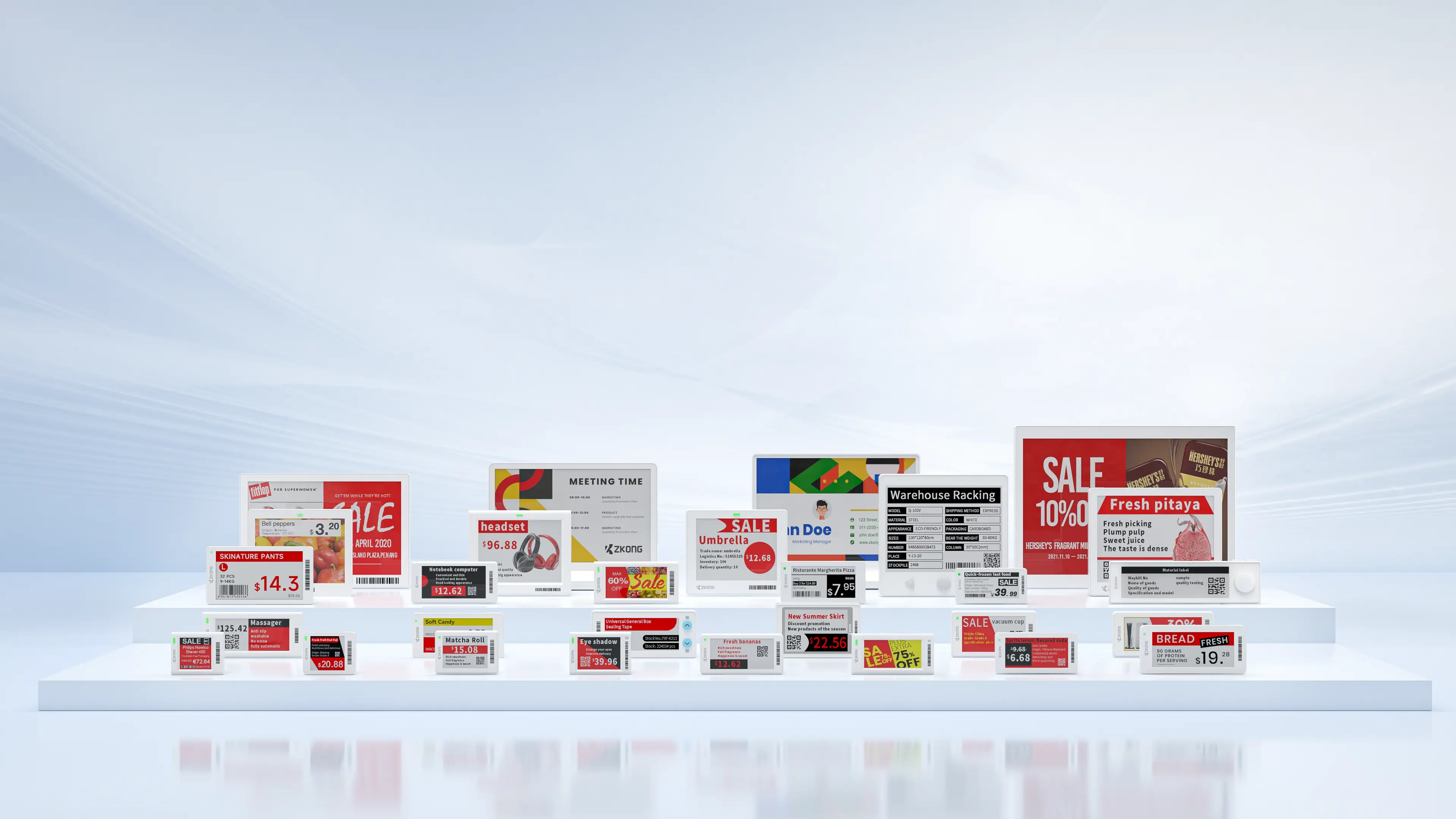
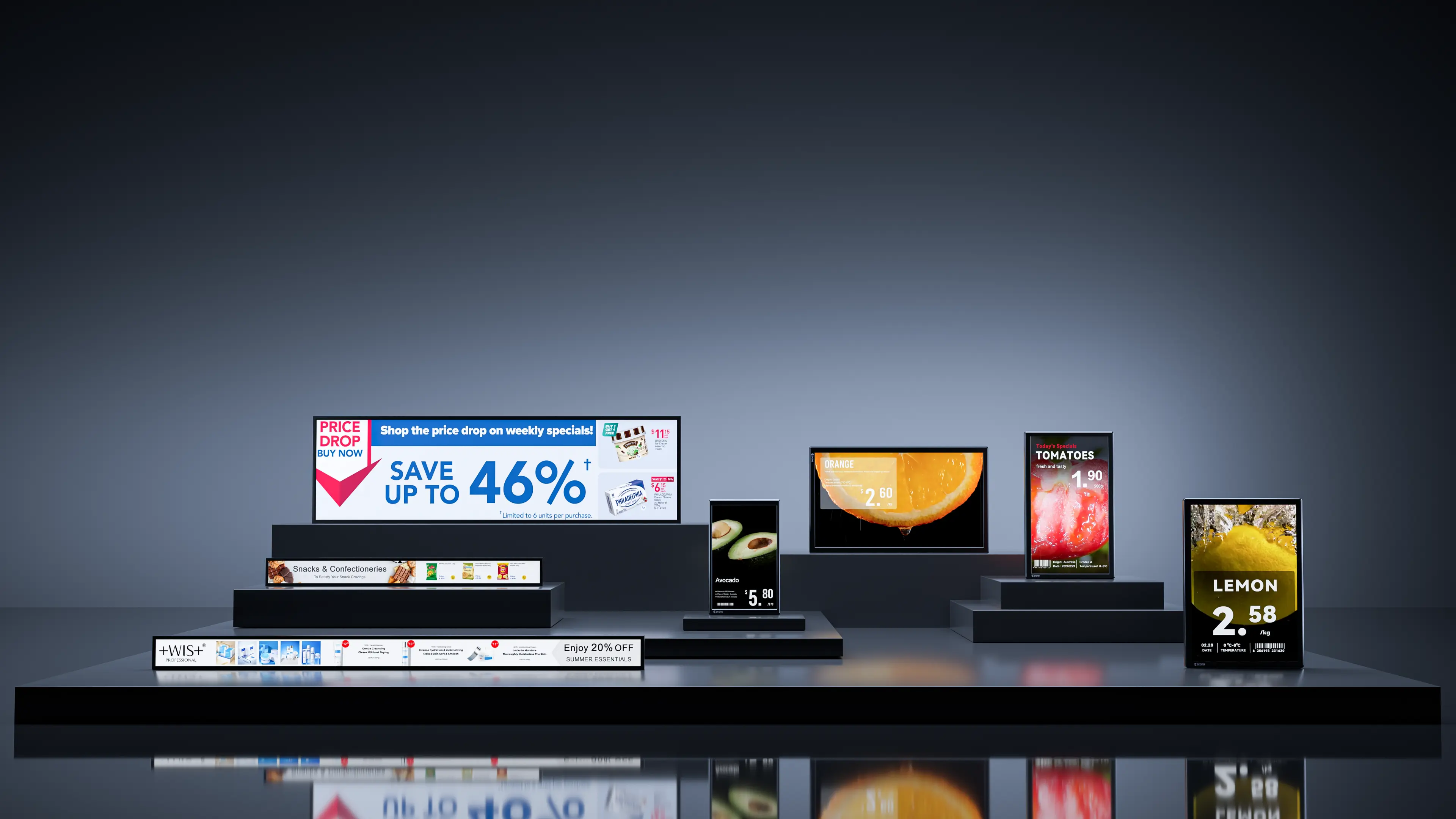
Modern ESL hardware can serve as the pick-by-light display. Same wireless gateway, same cloud platform, same battery life. The label that posts a price in retail can post a quantity-to-pick in a warehouse. That’s why warehouse ESL is suddenly an active conversation in 2026.
Where pick-by-light wins decisively

High-velocity, repetitive picking. Three specific patterns:
- E-commerce fulfillment with same-day SLAs. When every minute of pick time costs you on the SLA, the 60-100% throughput improvement matters more than the upfront hardware cost.
- Pharmaceutical and high-error-cost picking. Pick-by-light error rates run 0.05-0.1%; RF scanner runs 0.3-0.7% with comparable training. Lower error rate matters when a single mispick costs you thousands in recall, return, or compliance exposure.
- Cross-docking and wave-picking operations. Visual confirmation across an entire wave — multiple workers can see lit locations across the floor, route around each other dynamically.
Where RF scanner is still the right call

Lower velocity, higher SKU diversity, less repetition:
- Long-tail e-commerce with thousands of slow-moving SKUs (the 80% you pick once a day, not 100 times)
- Small operations where the per-bin hardware cost can’t amortize over enough picks
- Warehouses with frequently changing slot locations (relabeling re-paired ESLs adds ops overhead)
- Build-to-order or kitting workflows where the WMS already drives a screen and the picker isn’t bin-walking
The unit economics

Per-bin pick-by-light hardware cost (using ESL-class displays in 2026): $8-15 per bin for 2.6″-2.9″ labels with a button or NFC tap for confirm. A fast-moving zone with 5,000 active pick locations runs $50,000-$75,000 in hardware plus 1-2 gateways per zone.
RF scanner: $400-800 per scanner, plus WMS license. A 20-picker shift at $600/scanner = $12,000 in hardware. Lower upfront cost, but the throughput delta is doing the heavy lifting on long-term ROI.
For an operation doing 100,000 lines/day across 20 pickers, the throughput differential alone is worth ~$200K-300K/year in labor at typical warehouse rates. Pick-by-light hardware payback in that scenario is 6-9 months.
Hybrid is normal

What we see at successful operations: pick-by-light deployed only on the fast-mover zones (top 20% of SKUs by velocity). Slow movers stay on RF scanner. Same WMS drives both, same workers can switch zones. Total bin coverage might be 5,000-10,000 fast-mover locations with the rest left as scanner-driven.
This pattern keeps capital cost in the zone where it pays back, and avoids the trap of pick-by-light-everything where slow-mover bins run their batteries down for picks that happen monthly.
Battery and gateway considerations
Warehouse environment is friendlier to ESL hardware than most retail floors — temperatures stable, less customer interaction, usually no freezer zones in the picking area. Battery life on warehouse ESLs typically exceeds the retail spec by 20-30% because update frequency is lower per label (a bin only changes content when there’s a pick).
Gateway placement matters more than in retail because metal racking blocks signal aggressively. Plan for one gateway per 50-foot bay rather than per zone. Site survey before ordering hardware is non-optional.
What integration looks like
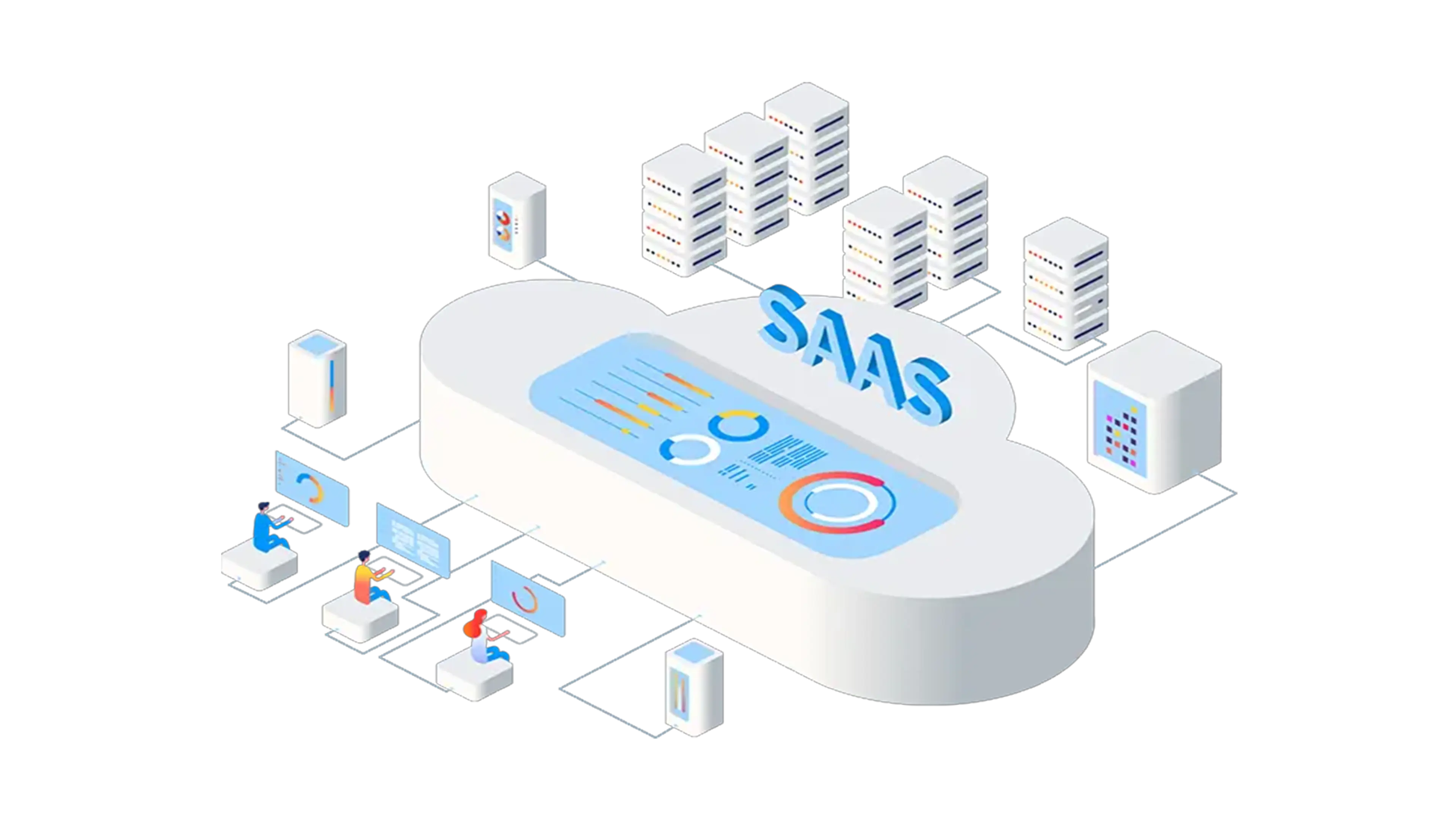
Most modern WMS platforms (Manhattan Active, Blue Yonder, Körber WMS, NetSuite WMS, Fishbowl, Cin7 Core) expose pick instructions through an API. The ESL cloud platform subscribes to that API and renders the picker’s wave on the bin labels. Confirmation flows back: button press or NFC tap on the label sends “picked” back to WMS.
Integration work is usually 1-2 weeks for an experienced engineer. Off-the-shelf connectors exist for the major WMS platforms; custom WMS or in-house systems take longer.
The decision framework
Three questions to answer before deciding:
- What’s your daily pick velocity per worker, and how much would 60-100% throughput improvement be worth?
- What’s your current pick error rate, and what does each error cost you in returns, complaints, or compliance?
- Do you have 1,000+ fast-mover bins where pick-by-light hardware would actually amortize?
If two of three answers are “yes,” pick-by-light is worth piloting. If only one is, RF scanner is probably still the right call.
Scoping warehouse ESL or pick-by-light?
30-minute call to walk through your throughput numbers, WMS, and bin layout. We’ll tell you straight whether pick-by-light makes sense for your operation.
Related articles

Kamran Abdullayev
Sales Director, North America at Retail Digitals (ZKong USA), the United States distributor of ZKong electronic shelf labels. Based in New York City. Writes on US ESL deployment, regulatory compliance (AB 3214, FDA 21 CFR 101.11, METRC), and honest competitor comparison.