ESLs in Pharmacies: OTC, Rx Behind-the-Counter, and the Audit Trail Nobody Talks About
Why pharmacy ESL is its own category
A grocery aisle and a pharmacy aisle look similar from a hardware-mounting perspective — same gondola, same shelf rails, same scan-the-barcode workflow. But the data feeding the labels is fundamentally different, and the audit requirements behind each price change are stricter than anything else in retail.
If you’re scoping a pharmacy ESL deployment — whether you operate one independent pharmacy in Queens or 80 chain locations across the Mid-Atlantic — you need to think about it as three separate zones, not one rollout.
Zone 1: OTC and front-of-store retail

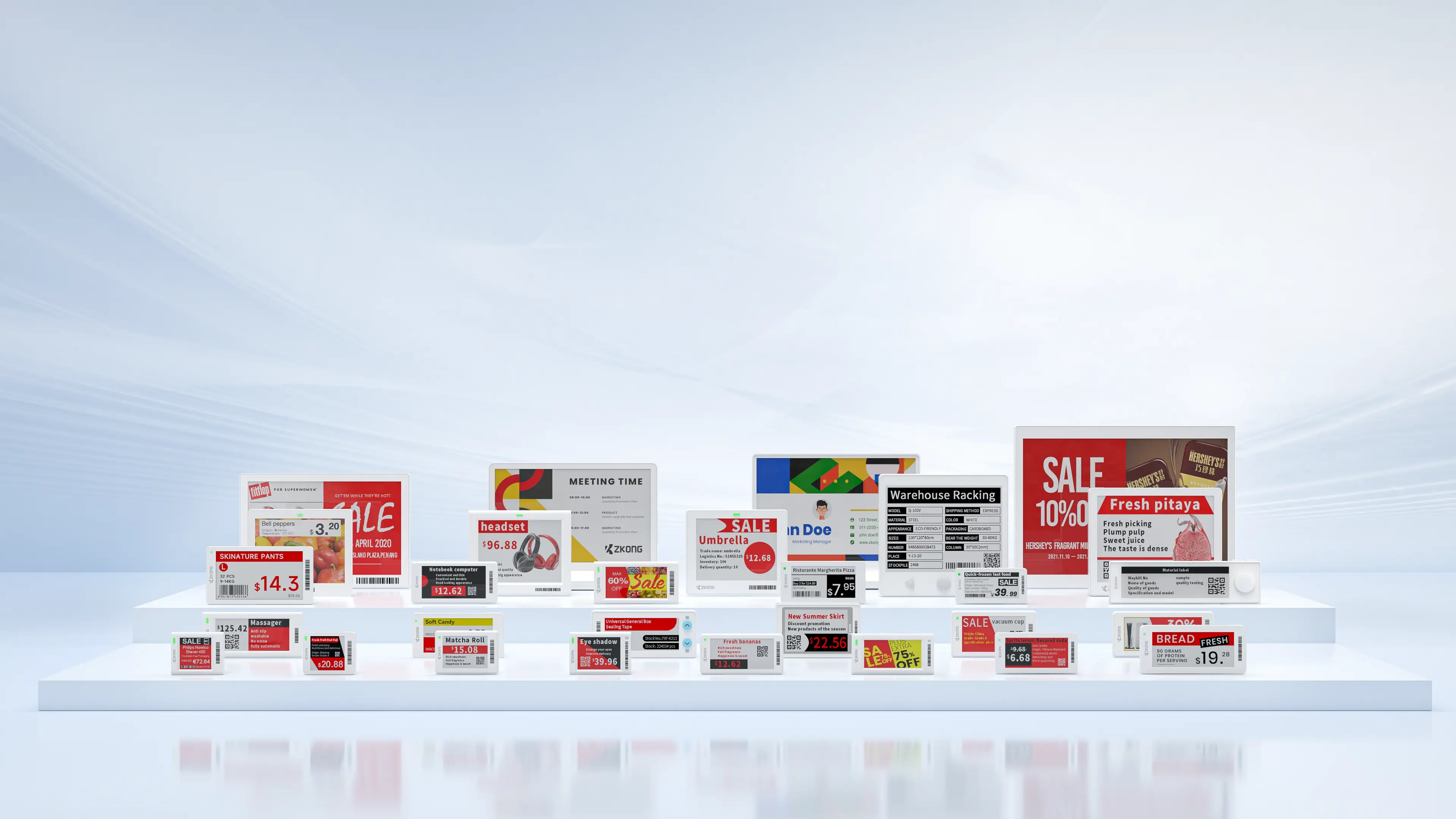
This zone behaves like grocery. Cough drops, vitamins, beauty, first aid, seasonal merchandise. Standard 2.6″ or 2.9″ BWRY labels work fine. Price feed comes from your front-end POS. Promo logic is the same as any other retailer.
The win here is straightforward: eliminate the 1-3 hours per day a pharmacy tech currently spends printing and re-tagging shelf prices. At ~$22-26/hour fully loaded, that’s $7,500-$15,000 per pharmacy per year reclaimed.
Zone 2: Pharmacy counter — OTC behind glass

Pseudoephedrine, certain cough/cold medications, some smoking-cessation products. Same retail-pricing rules, but two extra wrinkles. First, the labels often face away from customers (toward the pharmacist), so legibility from a different angle matters — bigger font, clearer contrast. Second, in states with PSE log requirements (most of them), you need the audit trail tied to inventory movement.
The ESL platform doesn’t replace your PSE log. It does eliminate the manual tag-swap when prices update, which is significant if you’re running across 20+ stores with different state pricing.
Zone 3: Rx fill window

This is the zone people get nervous about. Short version: ESLs at the Rx fill window do not display patient information, do not interact with your dispensing system in any HIPAA-relevant way, and do not change anything about how prescriptions are tracked or dispensed.
What they DO display: posted retail prices for cash-pay common medications (when state law requires posting), generic-vs-brand price comparisons (where regulated), and operational signage like “open prescription queue: 12 minutes” if you tie the platform to your queue management.
None of these touch PHI. The ESL never sees patient names, prescription details, or insurance information. The cloud platform only knows about NDC codes, retail prices, and template-rendered text.
The audit trail nobody talks about

Most state pharmacy boards require posted retail prices to be accurate at the moment of dispensing. If a price changes mid-day — cost increase from wholesaler, formulary update, manufacturer rebate adjustment — the posted price needs to update immediately, and you need to be able to prove what was posted at any given time if there’s a complaint.
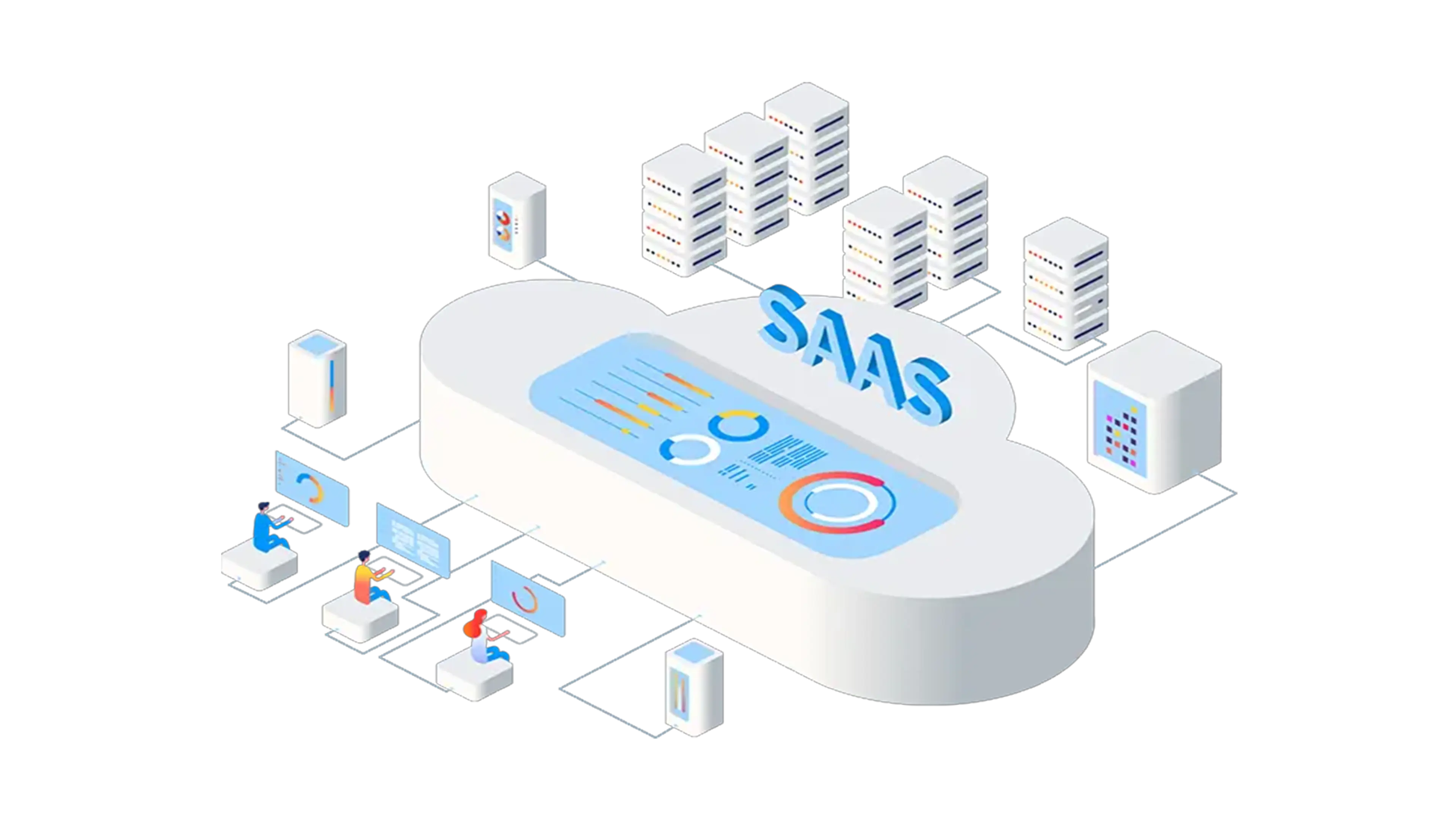
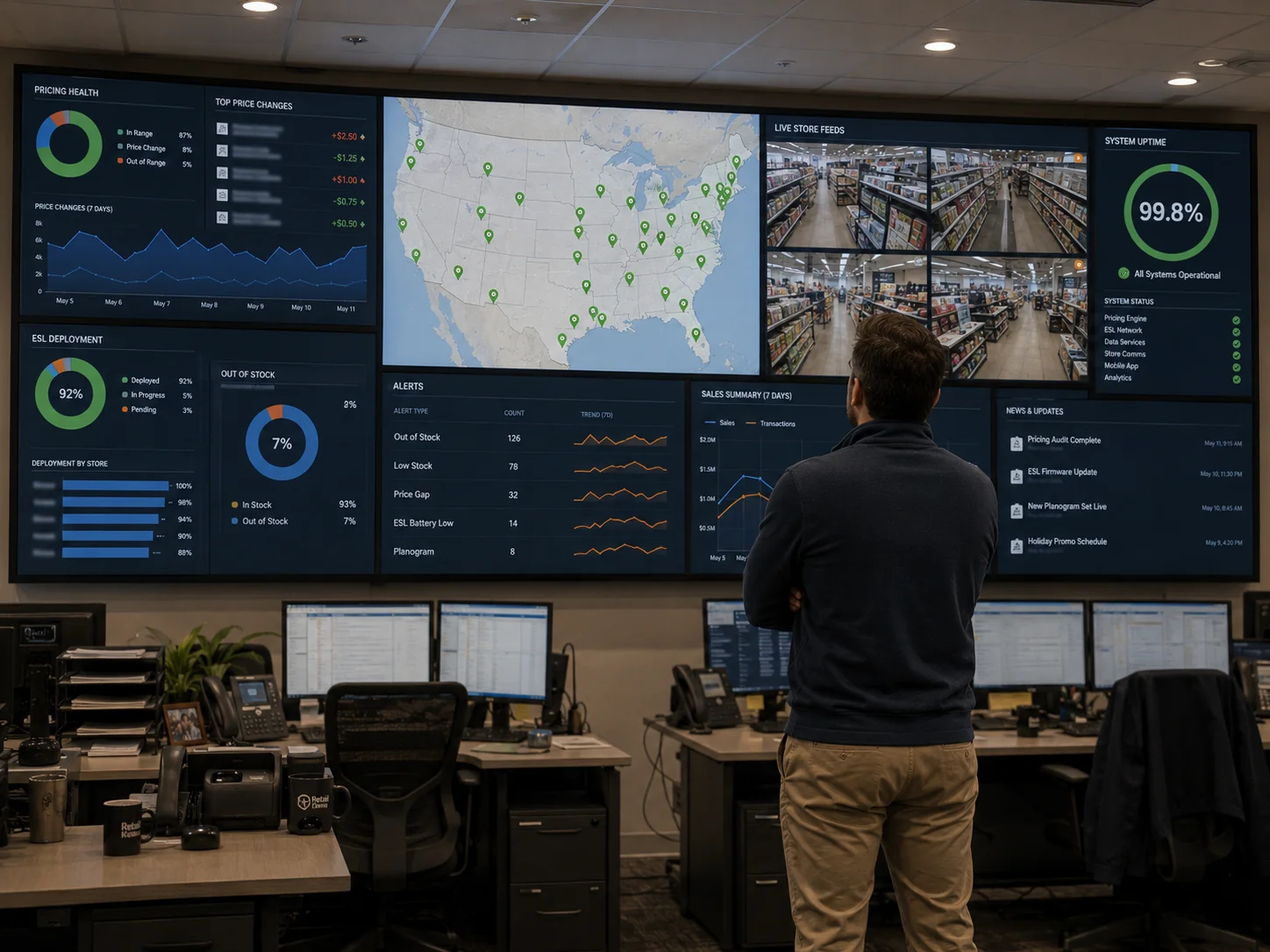
Paper labels don’t produce that proof. ESL cloud platforms write a confirmation log per price change with timestamps. If a state board inspector asks “what was the posted price for atorvastatin 20mg on March 14 at 2 PM?” the answer is in your platform’s export. This is becoming a quiet but increasingly important part of pharmacy ESL ROI.
Hardware specs that matter
- 2.9″ BWRY for standard pharmacy shelving. Good for OTC, vitamins, retail merchandise.
- 4.2″ BWRY for behind-counter Rx posting. Larger area to display NDC, generic name, brand name, and strength legibly from across the counter.
- NFC-enabled labels in any zone where staff use a phone to re-pair or look up SKU info. Worth the small unit-cost adder.
- Avoid Spectra 6 in pharmacy. The premium pays for marketing color accuracy, which doesn’t move pharmacy unit economics.
Integration: the boring but critical part
Most pharmacy POS and dispensing systems (PrimeRx, McKesson Enterprise Pharmacy System, BestRx, Liberty, Computer-Rx) expose retail price + NDC over an API or scheduled export. The ESL platform consumes the same feed your front-end POS uses for OTC, plus a separate feed for Rx posting if that’s a separate system.
The integration work is usually 4-12 hours of one engineer’s time, depending on whether you need a custom connector or there’s an off-the-shelf one. Most chains running 5+ stores find the work pays back in the first month of avoided manual price-tag labor.
What we’d recommend for an independent pharmacy
Start with Zone 1 only — front-of-store OTC, ~500-1,500 labels depending on shelf footprint. 4-6 week deployment. Measure the labor reclaim. If the math checks out (it usually does), expand to Zone 2 in month 4 and consider Zone 3 in month 6+ once you’ve validated the audit-trail benefit.
Capital expense for a Zone-1-only pilot is typically $4,000-$8,000 in hardware plus minor cloud setup. Payback in 6-12 months is the norm we see.
Operate a pharmacy or pharmacy chain?
30-minute call to walk through your specific zones, POS, and labor structure. We’ll map a phased rollout that doesn’t disrupt the dispensing workflow.
Sources & references
Related articles

Kamran Abdullayev
Sales Director, North America at Retail Digitals (ZKong USA), the United States distributor of ZKong electronic shelf labels. Based in New York City. Writes on US ESL deployment, regulatory compliance (AB 3214, FDA 21 CFR 101.11, METRC), and honest competitor comparison.